

The Wall Street Journal once used ‘Read Ambitiously’ as a slogan, but it became a challenge I took to heart. If that old slogan still speaks to you, this weekly curated newsletter is for you. Every week, I will summarize the most important and impactful headlines across technology, finance, AI and enterprise SaaS. Together, we can read with an intent to grow, always be learning, and refine our lens to spot the best opportunities. As Jamie Dimon says, “Great leaders are readers.”
Thanks to GenerativeAI and our friends at GoogleNotebookLM, you can enjoy this week’s Reading Ambitiously as a podcast entirely generated by AI. If you haven’t experienced this technology yet, definitely give this a try!

In the news:
Musk praises the ‘exponential improvement’ he’s seeing in Tesla’s full self-driving software (Fortune)
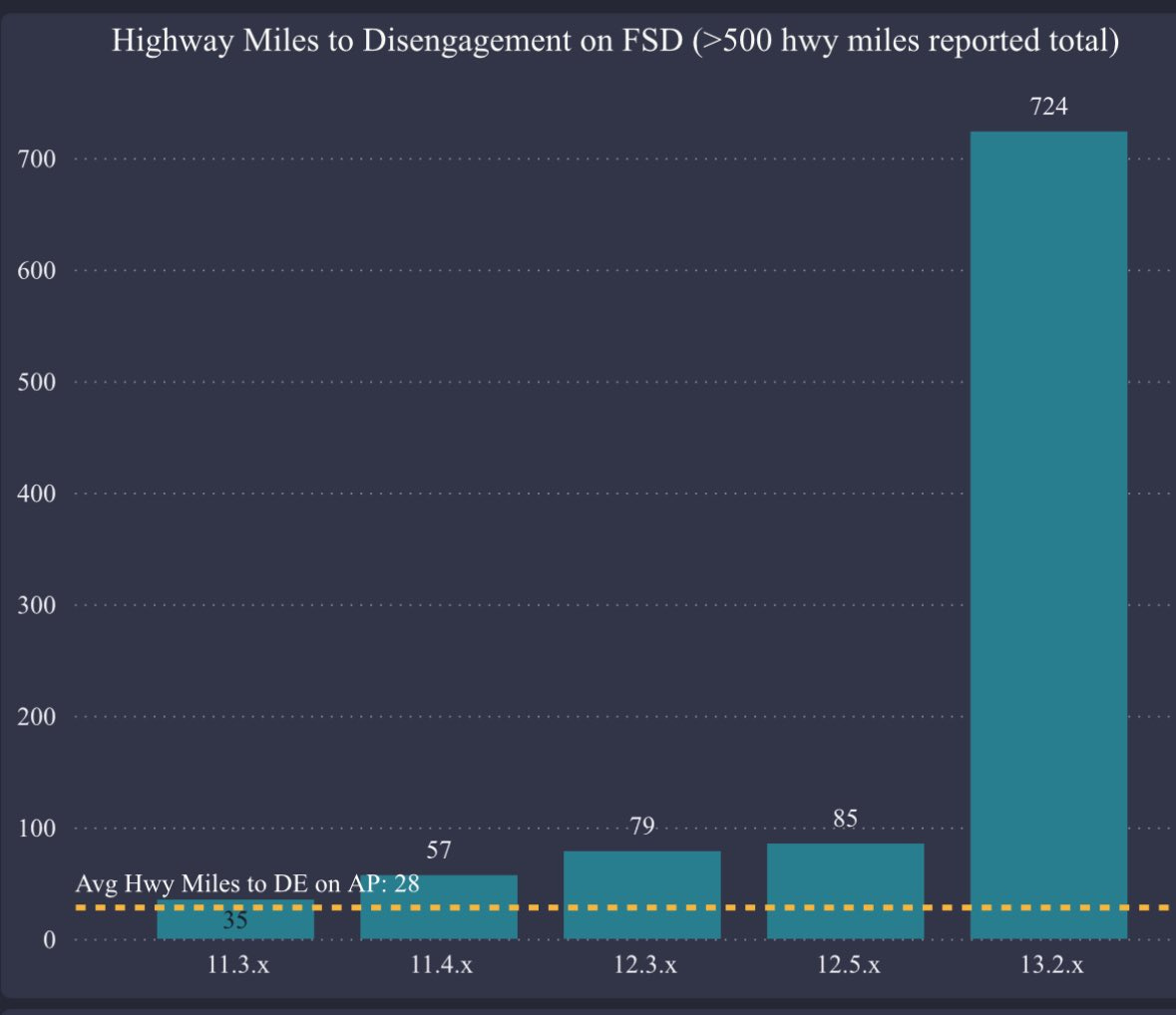
→ Why does it matter? Tesla's Full Self-Driving (FSD) just got a major upgrade. According to Philip Engberg, FSD 13.2.x has increased highway miles between disengagements by a whopping 750%!
Imagine a future where your car learns to drive like you do, constantly improving and becoming safer over time. That's the promise of Full Self-Driving (FSD).
While you'll still need to keep your hands on the wheel for now, the latest update, FSD v13.2, marks a turning point. Instead of relying on rigid rules like FSD v11 did, starting with FSD v12, FSD v13.2 uses a neural network that learns by watching how real people drive. This means Tesla can continuously refine FSD by feeding it more and more driving data.
AI expert James Douma predicts FSD 12 and beyond could reduce the need for human intervention by a staggering 100 times compared to the previous version! That's a game-changer, not just for convenience, but for safety.
A system that learns and adapts has the potential to be far more reliable than one that relies on pre-programmed rules. This is the true power of AI applied to solve a problem, in this case, driving a car.
This is a giant leap towards a future where cars truly drive themselves, and it's happening right now.

Best of the rest:
🧾 AI Has Venture Investors Excited About (Yes) Accounting Firms - VCs are investing in accounting firms with plans to turbocharge them using AI, while exploring other traditional service industries. - The Wall Street Journal
💼 Goldman Sachs Chief David Solomon Questions Start-Ups’ Need to List- The Goldman Sachs CEO argues that the depth of private capital removes the urgency for start-ups to go public. - Financial Times
The work of drafting an S1 — the initial registration prospectus for an IPO — might have taken a six-person team two weeks to complete, but it can now be 95 per cent done by AI in minutes, said Solomon. “The last 5 per cent now matters because the rest is now a commodity”
🇨🇳 China Officials Discuss Option of TikTok Sale to Elon Musk - Beijing leaders weigh the potential sale of TikTok to Elon Musk, calling a U.S. ban or forced divestiture akin to robbery. - The Wall Street Journal
💡 I Thought Carta Would Be NYSE for Private Markets. I Think We Built NetSuite Instead. - Henry Ward, CEO of Carta, reflects on the company’s evolution and its role in transforming private market infrastructure. - Henry Ward on LinkedIn

Charts that caught my eye:
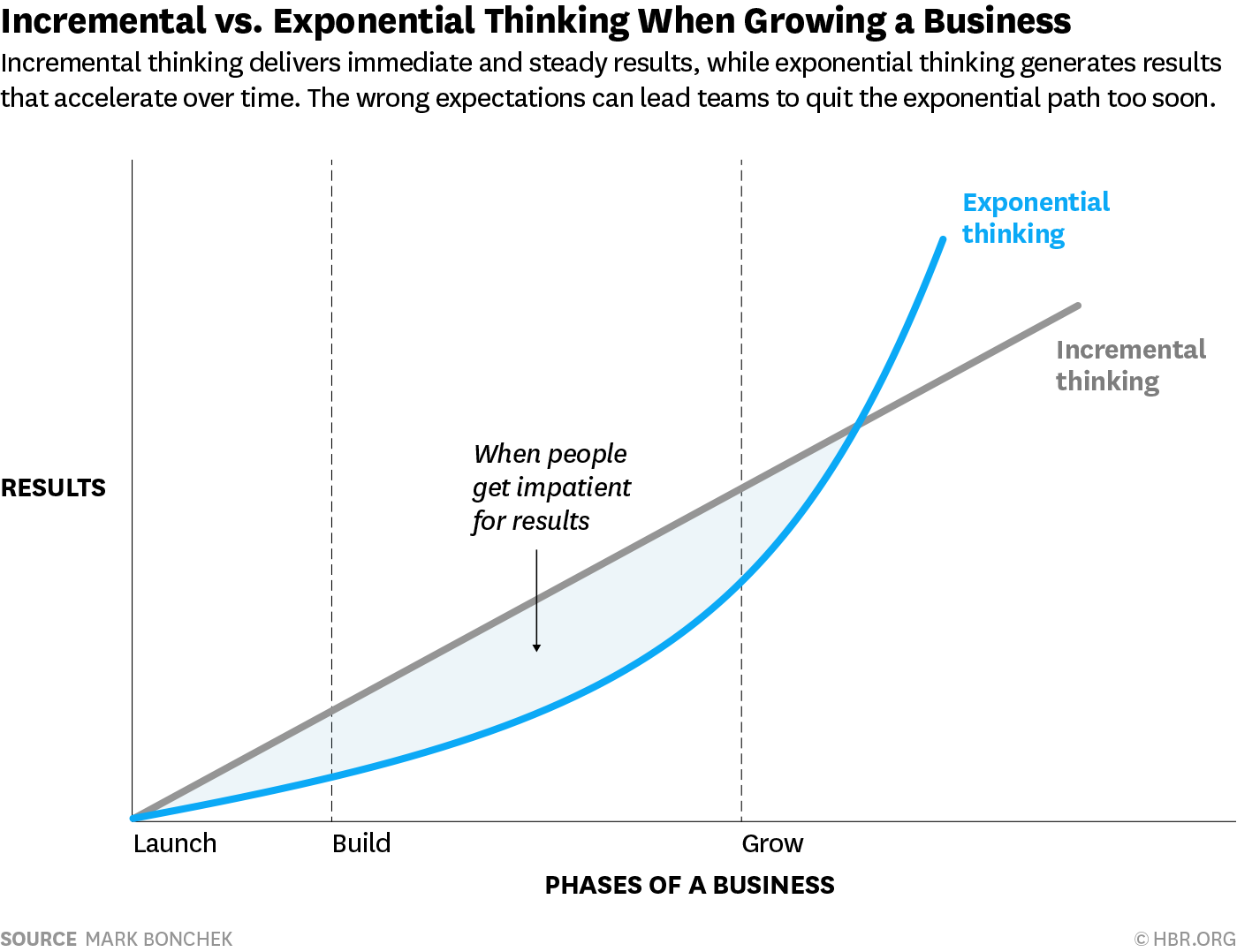
→ Why does it matter? Exponential Thinking Matters. This chart visually contrasts incremental thinking (linear, predictable growth) with exponential thinking (multiplicative, explosive growth). Most people default to linear thinking, but in today's world, grasping exponential possibilities is critical.
Missed Opportunities: Like the analysts in 2024 who underestimated Nvidia's earnings growth by 80%, linear thinking can blind us to massive potential.
Failing to Adapt: Exponential advancements, like those in AI (GPT-4's cost reduction by 50% and speed increase by 2x), demand we anticipate and adapt quickly.
Underestimating Potential: Jeff Bezos saw the internet's exponential growth (1000%+ per year) and decided to start Amazon.

Tweets that stopped my scroll:

→ Why does it matter? Last week, we explored OpenAI's reasoning models, o1 and o3. Think of these models as having more time to "think" through your requests. Want to help them out? Give them a super effective prompt! Try this format next time you're using o1:

→ Why does it matter? With OpenAI’s newly released “tasks” capability, ChatGPT can be set up in advance to perform work on your behalf! This means you can schedule reminders, automate data collection, or even have ChatGPT draft emails for you at specific times.
OpenAI Imagines Our AI Future - Stages of Artificial Intelligence (Bloomberg)
Level 1 Chatbots, AI with conversational language
Level 2 Reasoners, human-level problem solving
Level 3 Agents, systems that can take actions
Level 4 Innovators, AI that can aid in invention
Level 5 Organizations, AI that can do the work of an organization

→ Why does it matter? Blue Origin’s New Glenn rocket made its debut on January 16, 2025, successfully placing the Blue Ring Pathfinder satellite into orbit. While the booster was lost during landing, this launch is key to clearing Blue Orgin’s launch contract backlog.

Worth a watch or listen at 1x:
→ Why does it matter? The Future of AI is in Digital Labor: Benioff believes the next big opportunity in AI is "digital labor," where AI agents will automate tasks and transform how businesses operate. He sees this as a trillion-dollar market. He says, "This idea of digital labor... this is a trillion dollar TAM or multi-trillion dollar TAM... we're now providing digital workers, you know, digital labor and that is like the huge awakening."
→ Why does it matter? While I may not be attending the next Tony Robbins seminar, I'm a fan of his work and the powerful concepts he shares. One of the most valuable takeaways from him is the idea of framing which he discusses in this pod.
Framing is the way we interpret and make sense of the world around us. It is influenced by our beliefs, values, and experiences. Our frames can be positive or negative, and they can have a significant impact on our thoughts, feelings, and behaviors.
Pre-framing is the process of setting the stage for a particular outcome. It involves creating expectations and influencing people's perceptions. For example, a politician might use pre-framing to convince voters that their opponent is untrustworthy.
Re-framing is the process of changing the way we interpret a situation. It involves looking at things from a different perspective. For example, a person who is feeling stressed about an upcoming deadline might re-frame the situation by focusing on the positive aspects of the challenge.
De-framing is the process of letting go of our preconceived notions and assumptions. It involves being open to new ideas and perspectives. For example, a person who is prejudiced against a particular group might de-frame their beliefs by interacting with people from that group.

Quotes & eyewash:
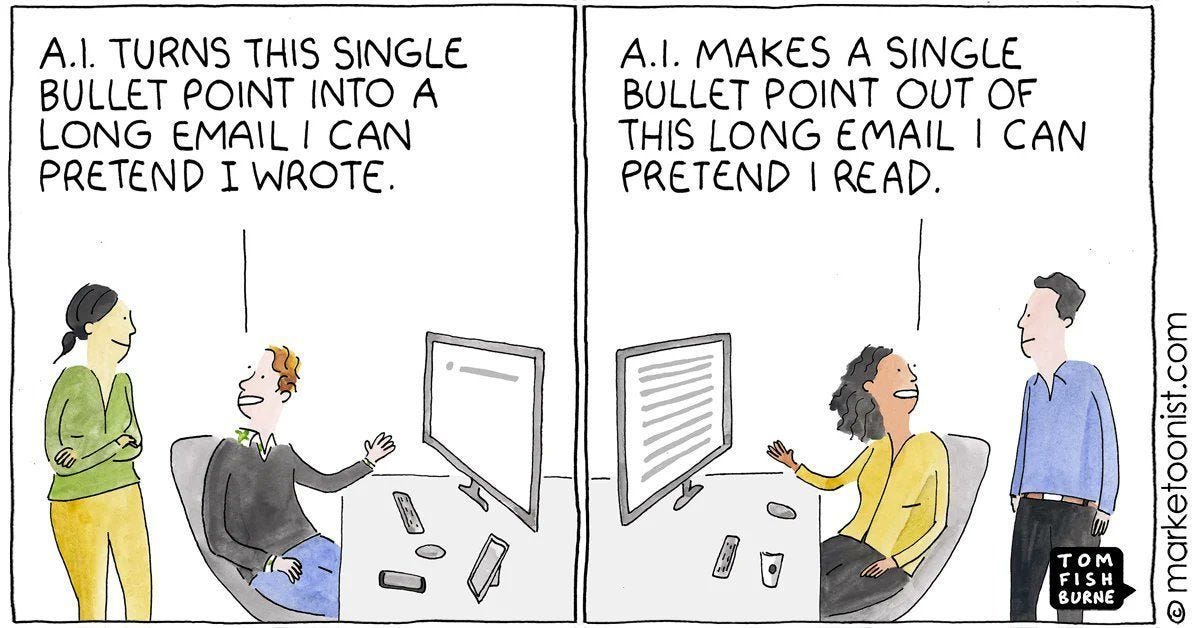
→ Why does it matter? I’ve been thinking about this one all week!