

Enjoy this week’s Reading Ambitiously as a podcast entirely generated by AI.

In the news:
Anthropic launches a new AI model that ‘thinks’ as long as you want (TechCrunch)
→ Why does it matter? Anthropic just released Claude 3.7 Sonnet, positioning it as the industry's first "hybrid AI reasoning model"—a single model that delivers both quick answers and deeply considered responses based on user preference. The news comes as Anthropic is finalizing a $3.5B funding round valuing it at $61.5B, up from an $18B valuation in 2024; its annualized revenue recently hit ~$1.2B.
This past week has been packed with major AI releases and key announcements—almost too many to keep up with. In fact, just hours before finalizing this Reading Ambitiously, OpenAI announced and released GPT-4.5—another major milestone in an already eventful seven days. In just the past week xAI launched Grok 3 and DeepSeek announced R2 is coming.
The biggest takeaway from Anthropic announcements? They’re not just building better AI—they’re turning AI into real, usable products. For years, the model was the product, with a focus on performance gains and benchmarks. Now, Anthropic is drawing a clear line between the model itself and the practical, integrated experiences built around it.
As foundational models converge in performance, the competition is shifting from state-of-the-art capabilities to building sticky, differentiated products on top of those models.
What truly creates long-term adoption isn’t just raw model power—it’s equally the surrounding functionality that enhances user experience:
Deep research capabilities
Tooling (e.g. internet search, python integration, canvas)
Voice mode & multimodal interactions
Intuitive UI & developer-friendly controls
Seamless integrations with contextual datasets (e.g., Google Gemini’s direct access to YouTube and Docs)
Consistent performance
These elements—not just model quality—are what drive user retention, enterprise adoption, and competitive moats. Anthropic made its first major move into this space with Claude Code.
Claude Code is Anthropic's new AI coding assistant, designed to help developers with tasks like editing files, running tests, and managing code commits—all through natural language. Instead of switching between tools, developers can interact with Claude Code directly in their workflow. This shift from "AI as a model" to "AI as a product" is accelerating, and more companies are likely to follow Anthropic’s lead in creating deeply integrated, high-utility AI tools rather than just competing on raw model performance.
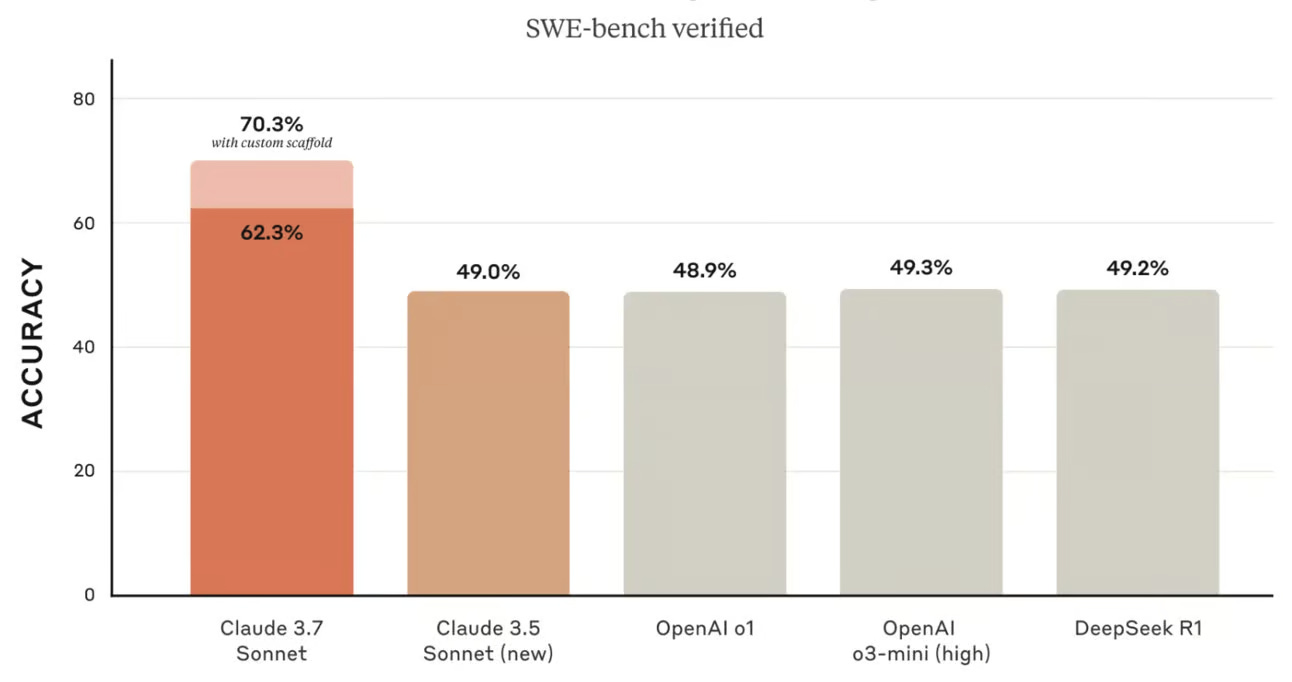
Make no mistake—raw model performance remains a critical part of the AI story. Claude 3.7 Sonnet scored 62.3% on SWE-Bench, an AI benchmark that measures a model's ability to perform software engineering tasks. A higher score means Claude Code isn’t just promising better AI; it's delivering real improvements for developers, making coding smoother and more efficient. That, in turn, makes Claude Code—the product—even more compelling.
The race between AI labs continues to accelerate, with OpenAI's Sam Altman hinting at their own hybrid model coming in "months." But as we've observed throughout 2024 and into 2025, raw model capability is becoming less of a differentiator. The companies that build compelling product experiences through intuitive interfaces, workflow integrations, and specialized tools like Claude Code will create the ecosystem lock-in that ultimately determines market winners in the AI era.

Best of the rest:
🗣️ Amazon Announces AI-Powered Alexa Plus - Amazon unveils Alexa Plus, an upgraded AI-powered smart assistant designed for more natural conversations and enhanced capabilities. - The Verge
⚡ OpenAI CEO Sam Altman Says the Company Is ‘Out of GPUs’ - Altman reveals that OpenAI has hit a GPU shortage, limiting AI model training and deployment as demand surges. - TechCrunch
🤖 OpenAI Says GPT-4.5 Feels More Natural and Emotionally Intelligent - Users testing GPT-4.5 found it to be a more natural conversationalist, capable of conveying warmth and displaying a form of emotional intelligence. - Engadget

Charts that caught my eye:
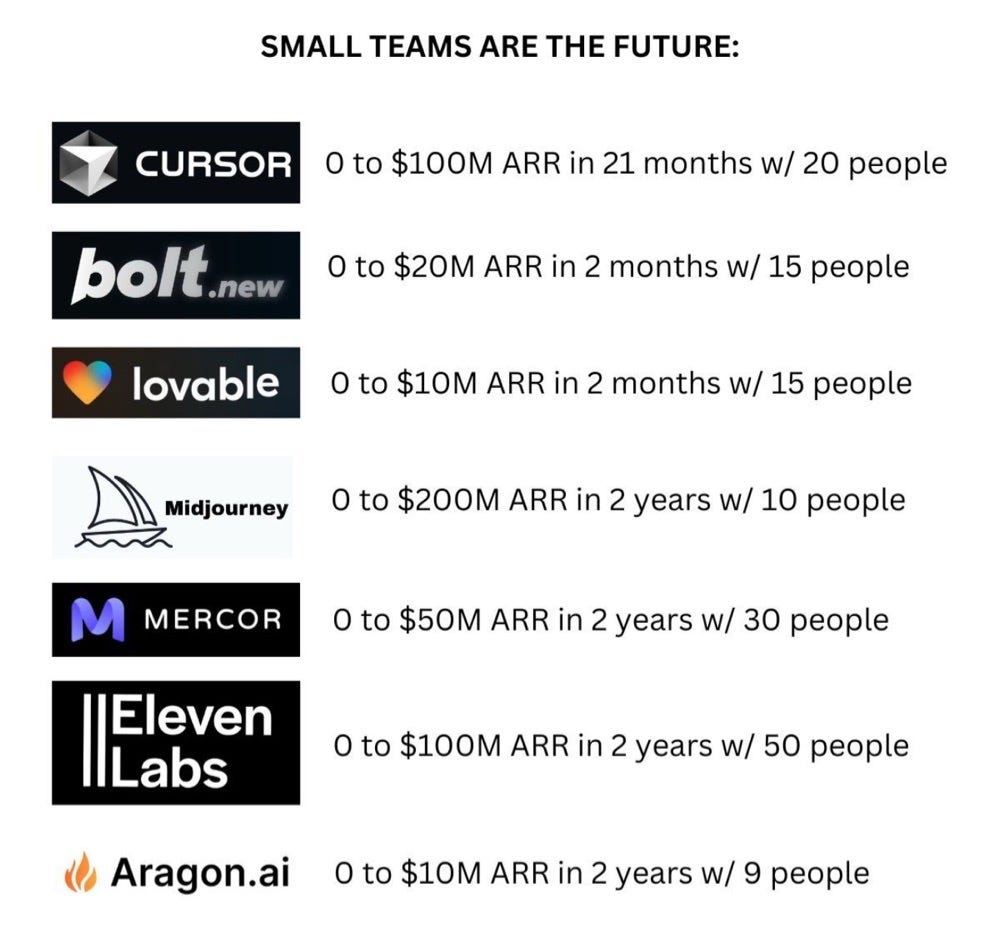
→ Why does it matter? Ravi Gupta on Invest Like The Best this past week talked about small teams. "SMB should no longer stand for 'small and medium businesses,' but instead for 'small and mighty businesses.'" — Dharmesh Shah, Co-founder & CTO, HubSpot. The point? Today's lean teams can achieve outsized impact with the right tools and mindset.
How the next iconic data infrastructure company will be born in the AI era (NextBigTeng)

→ Why does it matter? The author hits the nail on the head when she says "infrastructure inspires applications" and "applications inspire infrastructure." As the AI paradigm emerges, there's still significant infrastructure to be built to enable AI applications and agents at scale. When the internet emerged, much of that infrastructure was open (e.g., Java). The big question on everyone's mind today: Will the infrastructure for AI be open or closed?
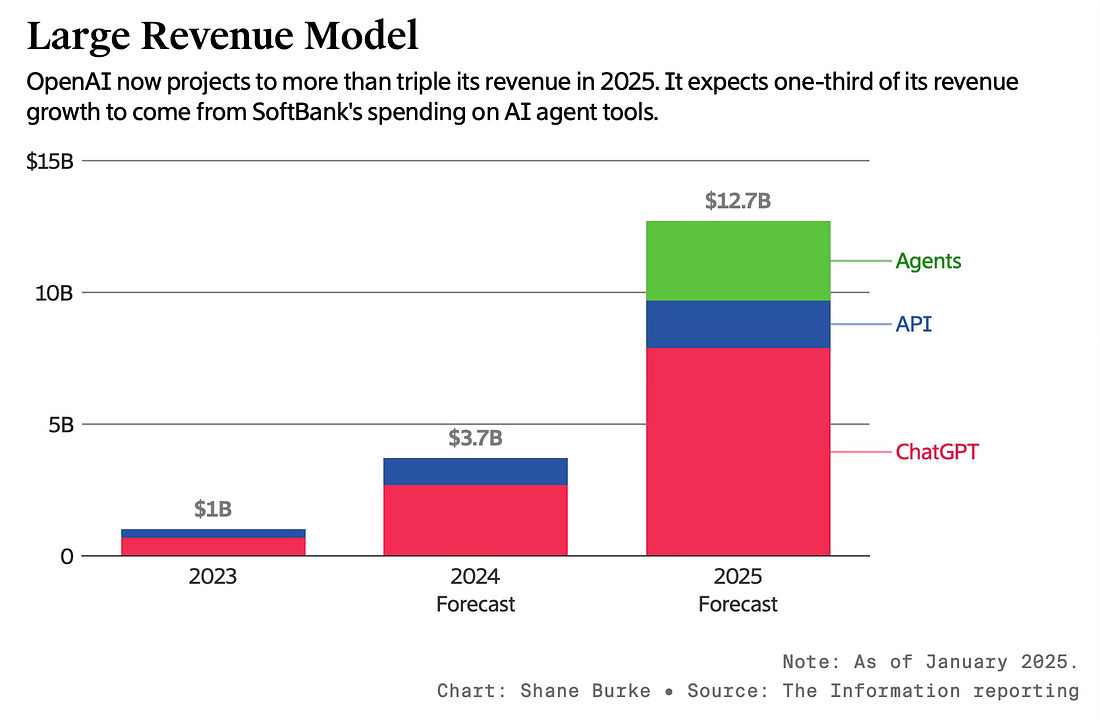
→ Why does it matter? OpenAI projects that this year their revenue mix will start to change. While ChatGPT will remain their predominant revenue source, they forecast their AI agents will generate billions in new revenue—primarily from their largest customer, SoftBank. As foundation model labs struggle to differentiate from competitors, expect them to increasingly productize their LLM capabilities beyond basic API access.
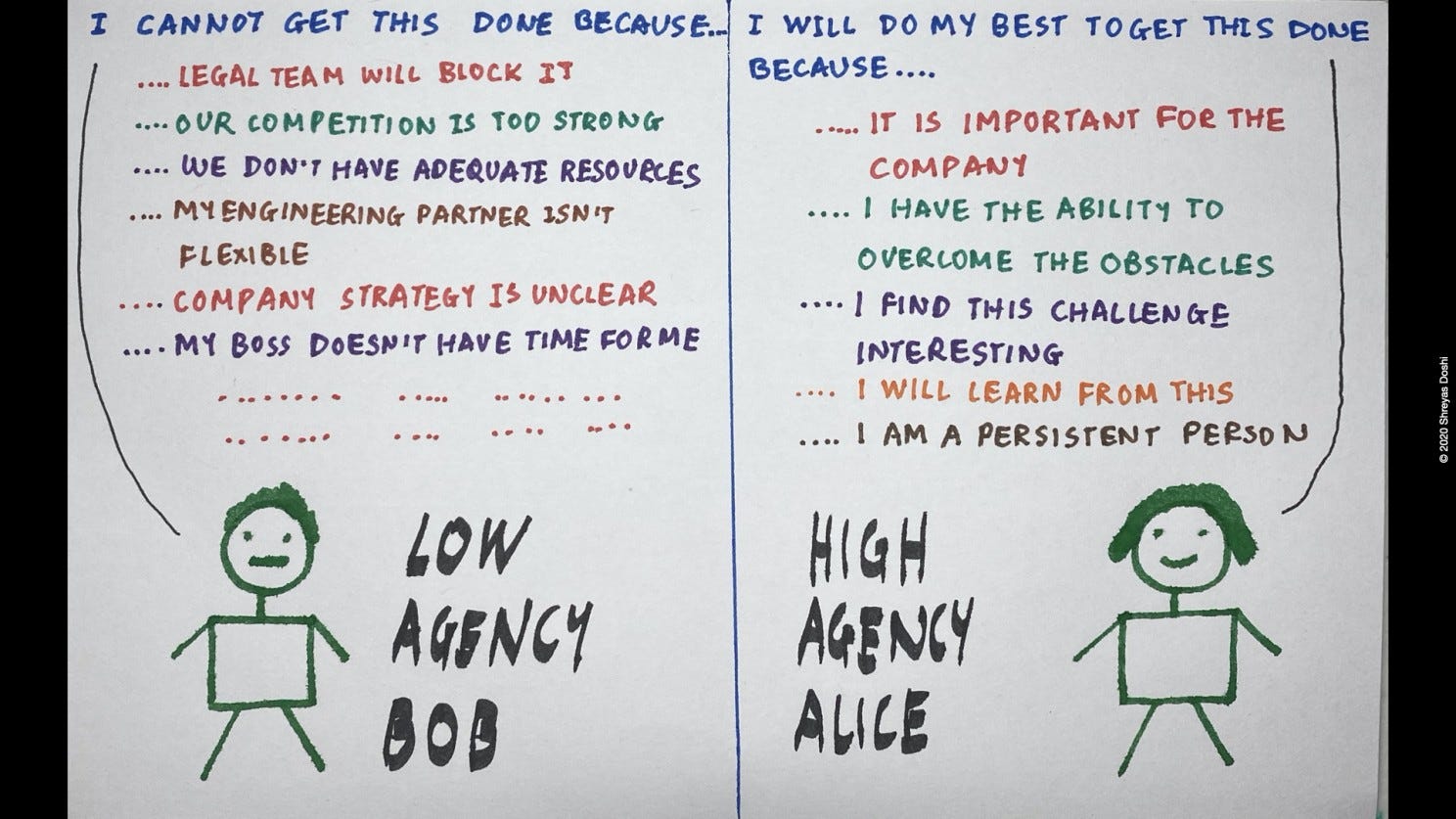
High Agency: what is it, why it is important, and how to cultivate it (Shreyas Doshi)
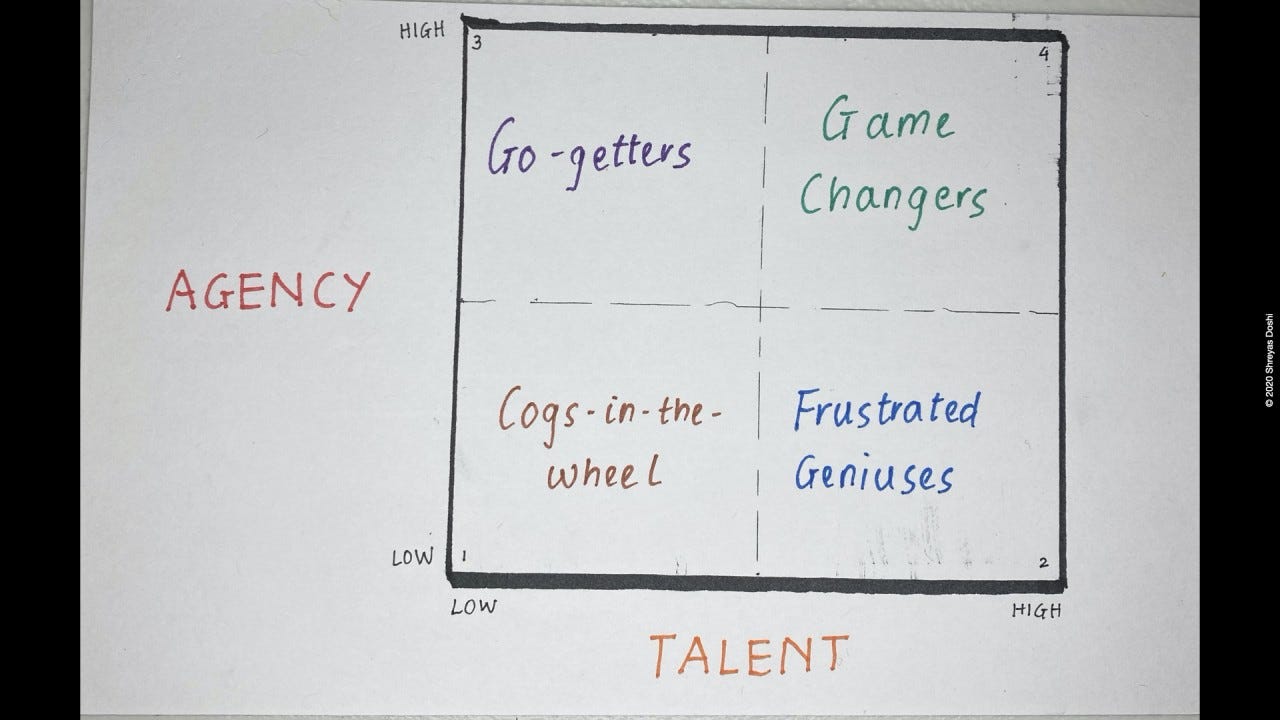
→ Why does it matter? I like this definition: "High Agency is about finding a way to get what you want, without waiting for conditions to be perfect or otherwise blaming the circumstances." Andrej Karpathy had a good Tweet on Agency this week too: "Agency, as a personality trait, refers to an individual's capacity to take initiative, make decisions, and exert control over their actions and environment. It's about being proactive rather than reactive—someone with high agency doesn't just let life happen to them; they shape it."

Tweets that stopped my scroll:

→ Why does it matter? Imagine losing $1.46 billion in a single day—not to a market crash or a bad bet, but to a group of North Korean hackers who didn’t even need to break your system. They just tricked the people holding the keys. That’s exactly what happened to Bybit, one of the world’s largest crypto exchanges, in a heist uncovered this month. It’s being called the biggest crypto theft in history.

→ Why does it matter? SailPoint’s $12 billion IPO—the first software debut of 2025 and the biggest since 2021—signals a tech market revival. With $813 million in ARR and 30% growth, it’s hitting the Rule of 40, proving strong fundamentals pay off. Thoma Bravo’s 85% stake makes this a high-stakes test of private equity timing. For tech and financial leaders, it whispers: 2025 could be the year for IPOs.
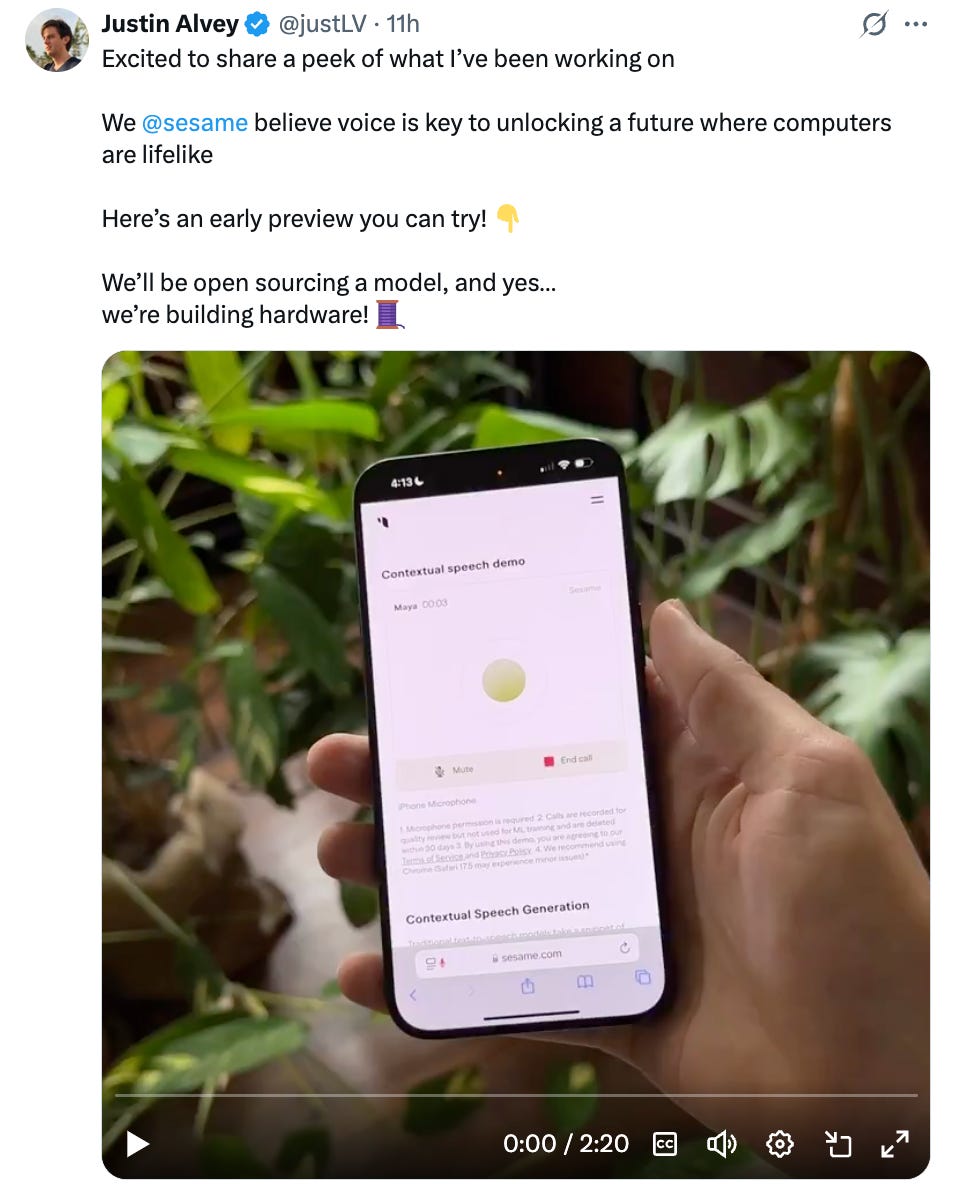
→ Why does it matter? Wow! Call me Joaquin Phoenix!

Worth a watch or listen at 1x:
→ Why does it matter? Bill Gates discusses his deeply personal new memoir, Source Code, in conversation with Patrick Collison, cofounder and CEO of Stripe. For all the same reasons I love an audible read by the author. It was fascinating to hear Bill Gates tell his own story. Gates offers valuable perspective on building lasting impact through both business and philanthropy—a blueprint worth studying as today's tech founders navigate their own legacy questions.
→ Why does it matter? Andrej Karpathy, a leading AI expert and former head of Tesla AI, is also a founding member of OpenAI. There's no one better to show us how he uses LLMs in his daily life.

Quotes & eyewash:
→ Why does it matter? Well… It’s going to get weird out there.
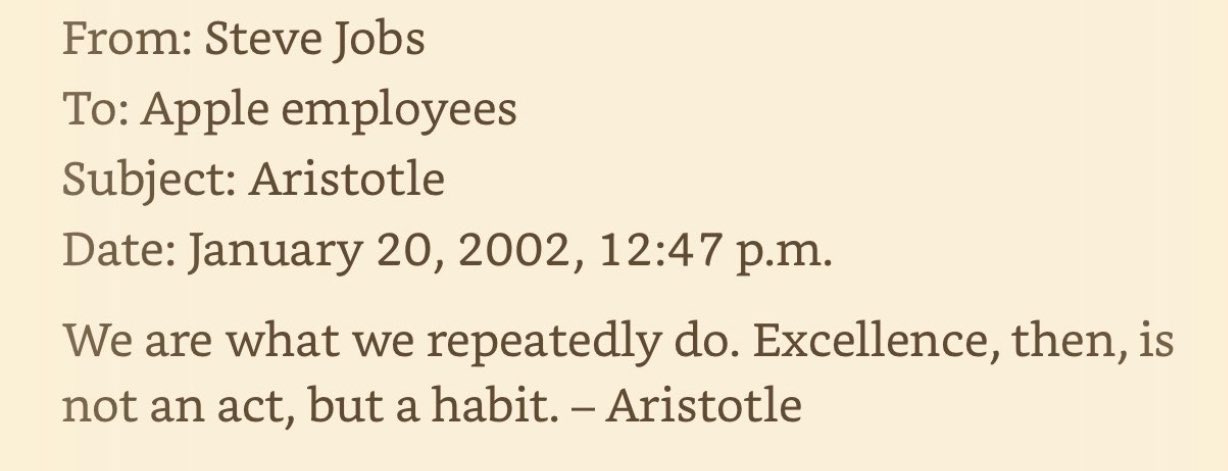
“Momentum is everything…Either you’re improving or regressing.”
David Heacock
The mission:
The Wall Street Journal once used ‘Read Ambitiously’ as a slogan, but it became a challenge I took to heart. If that old slogan still speaks to you, this weekly curated newsletter is for you. Every week, I will summarize the most important and impactful headlines across technology, finance, AI and enterprise SaaS. Together, we can read with an intent to grow, always be learning, and refine our lens to spot the best opportunities. As Jamie Dimon says, “Great leaders are readers.”