

Enjoy this week’s Reading Ambitiously as a podcast entirely generated by AI.

In the news:
Tech leaders at Anthropic, IBM, and Meta warn that AI is coming for software developer jobs (Fortune)
Anthropic CEO Dario Amodei this week made a bold prediction: within 12 months, AI could be writing "essentially all of the code." In the next three to six months, he expects AI to generate 90% of new code.
This feeds into the common fear that AI is coming for jobs—especially software developers. Earlier this year, a viral chart showed a drop in software developer job openings, sparking debate about whether AI will decrease programming-related jobs. But if “software is famously eating the world,” wouldn’t we need more software creators, not fewer?
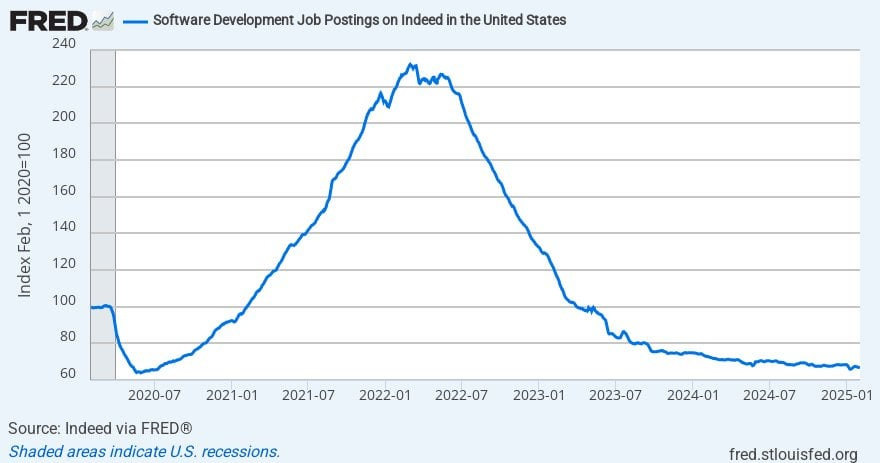
Instead of eliminating jobs, what if AI is poised to democratize skill sets—software engineering included.
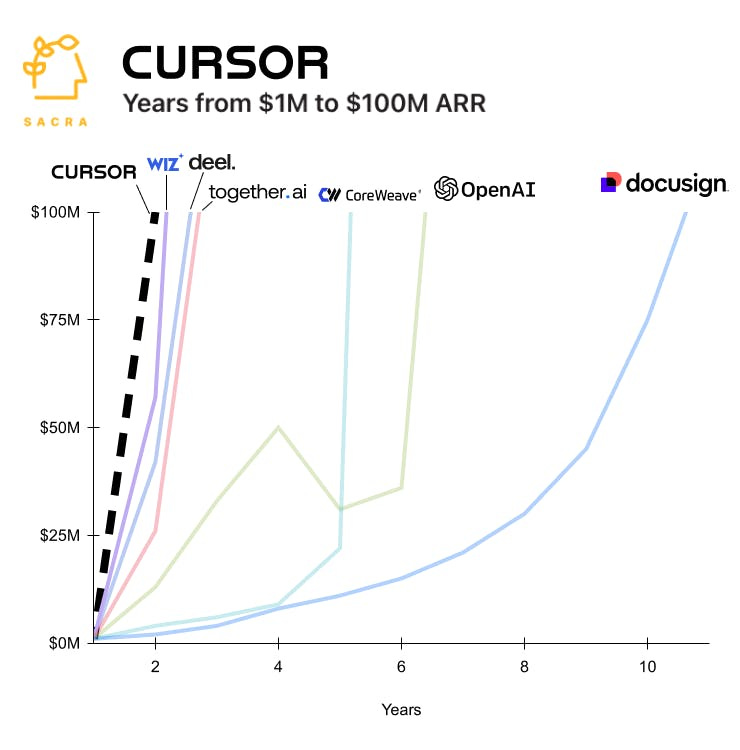
Take Cursor, for example. A few weeks ago, it was reported as the fastest company ever to reach $100M in annual revenue. Cursor is a code augmentation tool that uses LLMs to help developers write code faster. At Ridgeline, we recently licensed over 100 copies, expecting it to boost productivity across our engineering teams.
But if Amodei is right, these tools won’t be exclusive to software engineers for long. Soon, everyone will be able to create software. Enter “Vibe Coding”—an emerging term for a more intuitive, high-level approach to development where AI handles the technical details. Developers (and non-developers) will focus on describing what they want, improvising, and iterating quickly, often through voice-to-text interactions with AI.
If AI is breaking down technical barriers, the intangibles—grit, ambition, and work ethic—will matter more than ever. Maybe the most important skill of all? Communication skills.
Orlando Bravo emphasized this in a conversation with David Rubenstein last year when he was asked about the best advice he’s ever received: “Focus on being a phenomenal communicator and being the best at that…” Scott Galloway echoed the same idea: “If I could give my 13 and 16-year-old one competence that I think would stand the test of time, it’d be storytelling.”
AI isn’t taking jobs—it may be handing out superpowers. By making technical skills more accessible, AI could transform more of us into creators, lowering the barriers to building software, designing applications, and bringing ideas to life. But if anyone can create, what truly sets people apart? Perhaps the real differentiator won’t be technical ability but the ability to communicate, persuade, and tell a compelling story. The question isn’t just whether AI will replace jobs—it’s whether we’re prepared to thrive in a world where creativity, adaptability, and communication may matter more than ever.

Best of the rest:
🍎 Something Is Rotten in the State of Cupertino - John Gruber critiques Apple's recent delay of the "more personalized Siri" features under the Apple Intelligence initiative, expressing frustration over missed signals and the implications for Apple's AI strategy. - Daring Fireball
🇨🇳 China’s Autonomous Agent, Manus, Changes Everything - China’s AI-driven autonomous agent, Manus, is making waves in automation and decision-making, potentially reshaping industries. - Forbes
🏛️ Pure Independence by Collab Fund - Exploring the power of true independence—why it’s rare, valuable, and a key driver of long-term success. - Collab Fund
💻 Here’s How I Use LLMs to Help Me Write Code - Simon Willison shares his workflow for leveraging large language models (LLMs) to improve and accelerate coding. - Simon Willison’s Blog

Charts that caught my eye:
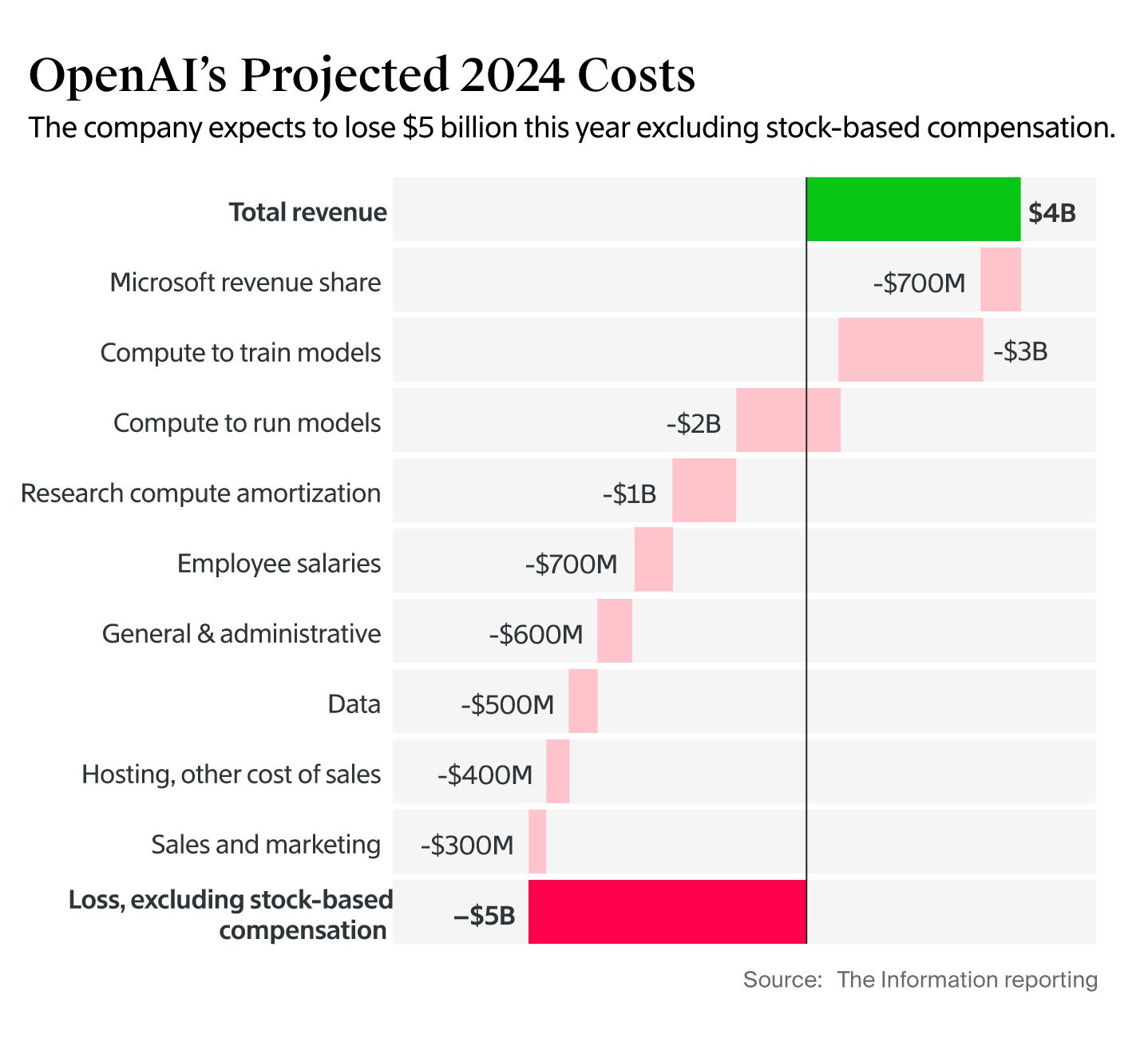
→ Why does it matter? It's currently costing OpenAI $9B to lose $5B, excluding stock-based compensation. Wow!

Tweets & LIs that stopped my scroll:

→ Why does it matter? ServiceNow is acquiring Moveworks for $2.85B, adding generative AI chatbots for IT and HR automation plus a 500+ AI team. The deal positions ServiceNow to rival Salesforce in CRM, spotlighting 'enhanced customer experience' in the press release. Large-scale enterprise M&A like this has been rare recently—could this signal a new trend?

→ Why does it matter? Stripe is using OpenAI’s new Agents SDK to build AI agents like autonomous invoicing and email support, shifting from chat-based to action-oriented workflows. The SDK to build Agents = selling to enterprise at OpenAI. Agents are expected to add $3B of revenues for OpenAI this year.
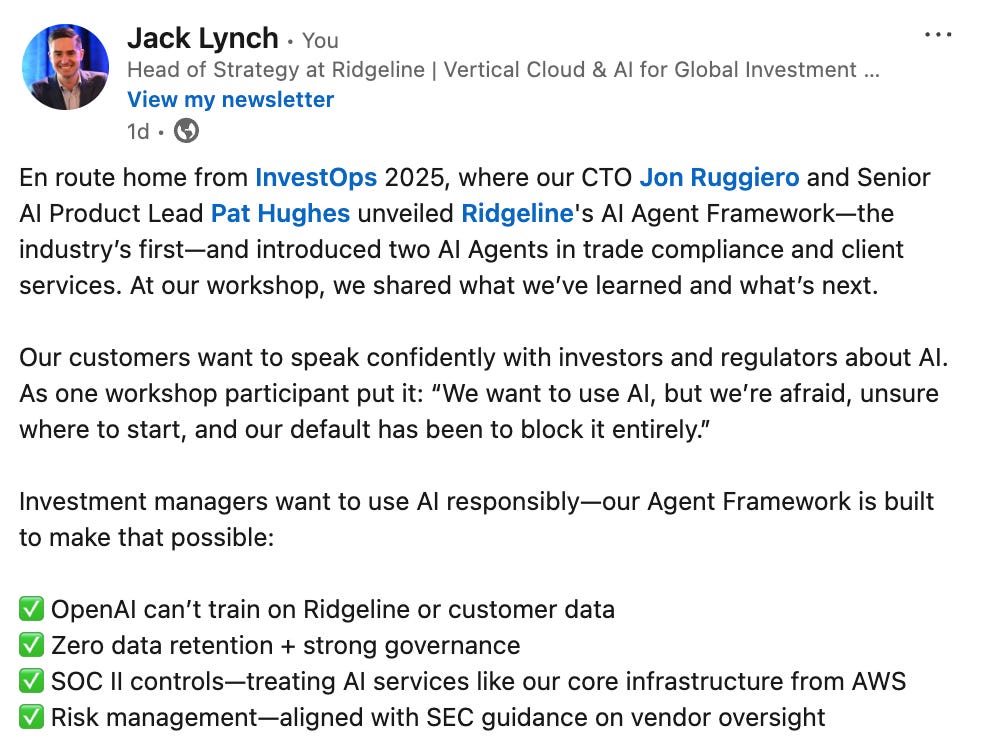
→ Why does it matter? My own post didn’t stop my scroll, but I can’t help feeling proud after this weeks Ridgeline launch—an industry-first AI agent framework, purpose-built for global investment management. Our first two agents are live in trading compliance and client services!

Worth a watch or listen at 1x:
→ Why does it matter? This week, OpenAI announced the release of their new Agents SDK, alongside the Responses API. The Agents SDK is an open-source framework designed to simplify the process of building AI agents—autonomous systems capable of performing tasks independently.
→ Why does it matter? Sarah Franklin is the CEO of Lattice, which was founded by Jack Altman, Sam’s brother. Prior to Lattice, Sarah was President & Chief Marketing Officer at SalesForce.com. I’m a huge fan. She was interviewed earlier this week by Bloomberg on the future of the workforce.

Quotes & eyewash:
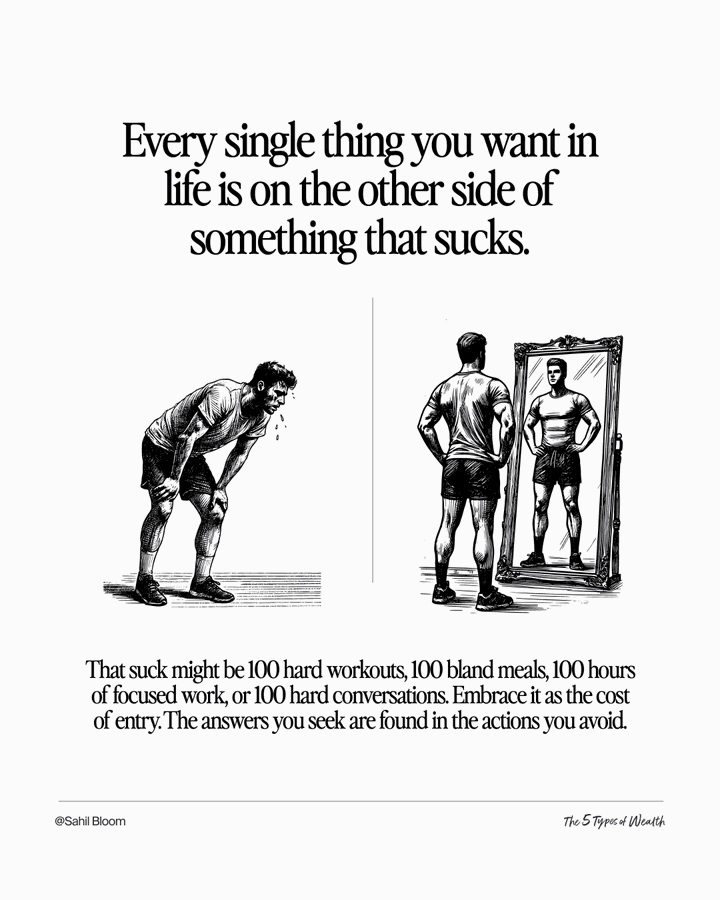
"You are what you do, not what you say you’ll do." - Carl Jung
The mission:
The Wall Street Journal once used ‘Read Ambitiously’ as a slogan, but it became a challenge I took to heart. If that old slogan still speaks to you, this weekly curated newsletter is for you. Every week, I will summarize the most important and impactful headlines across technology, finance, AI and enterprise SaaS. Together, we can read with an intent to grow, always be learning, and refine our lens to spot the best opportunities. As Jamie Dimon says, “Great leaders are readers.”