



The big idea: I asked AI about a dead tree limb. The next morning, it was gone.
Reading time: 4 minutes

With three kids, there is always something happening at the Lynch house.
There is also always something happening literally with the house.
Every homeowner has some version of the project list. Not the well-organized one you write down on an ambitious Saturday morning. The other one. The one that lives in your head and follows you around.
Fix the thing in the garage. Call the person about the window. Figure out why that outlet doesn’t work.
For months, there had been a dead limb hanging from the tree in front of our house. I saw it all the time. I knew it needed handling. I’m almost embarrassed to admit this, but I had no idea whose problem it was.
Did we own the tree? Or was this the city’s responsibility, buried somewhere in a municipal gray area that would take twenty minutes of research to understand?
And because it required twenty minutes of research, I did what any reasonable adult with too much on his plate would do.
Nothing.
Not because it was hard. Because it was annoying. It was one more thing on the long list of things I knew I should handle but kept putting off.
Until Tuesday night, when I opened ChatGPT and said, in effect: you figure it out.
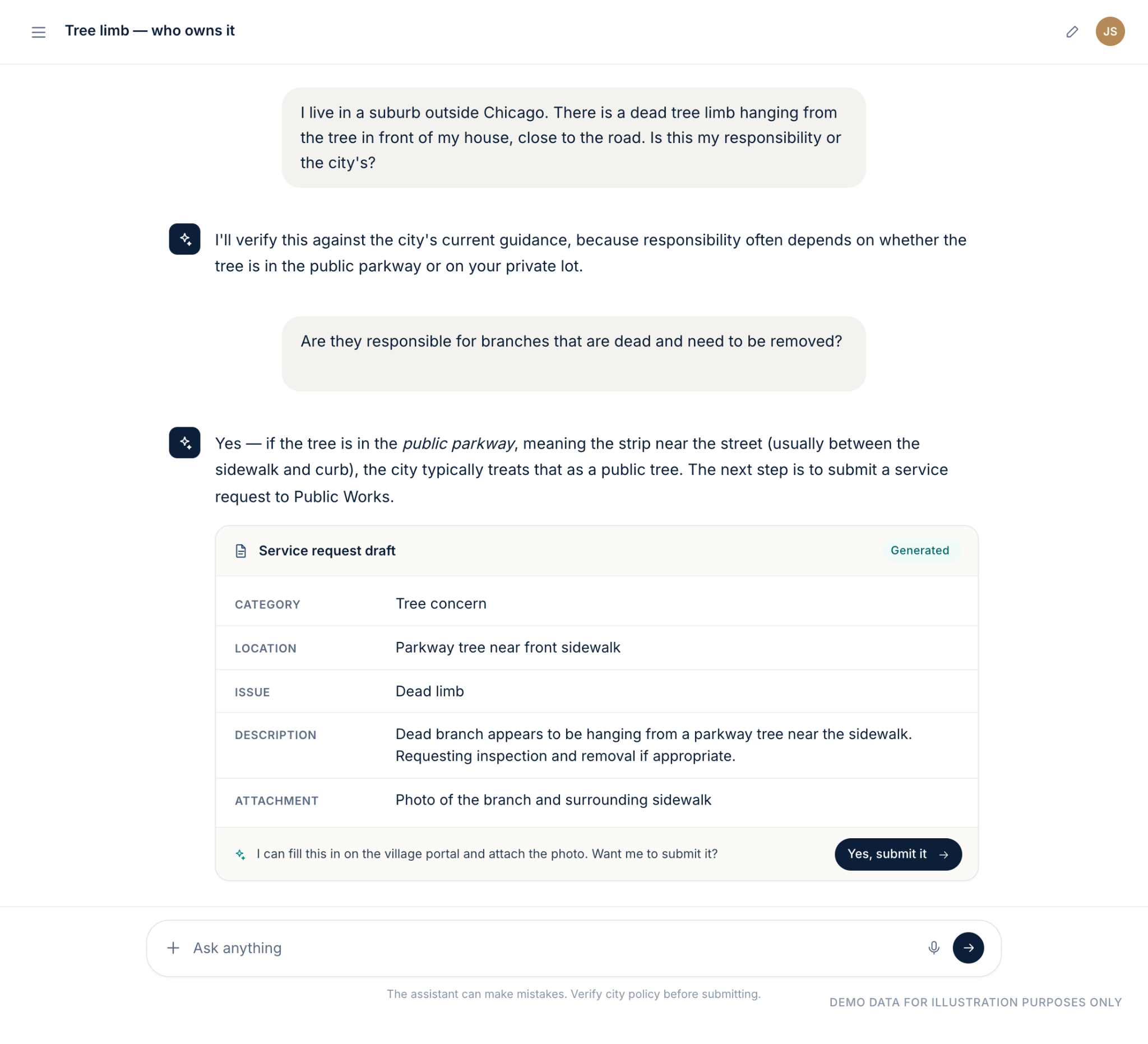
A few seconds later, the AI told me exactly what to do. It identified the likely responsible party, found the right place to submit the request, wrote the ticket language, and assigned me one 30-second task: snap a photo.
I copied the language into the town portal, attached the photo, and hit submit.
The next morning at 7:53 a.m., to my surprise, guess who was out front.
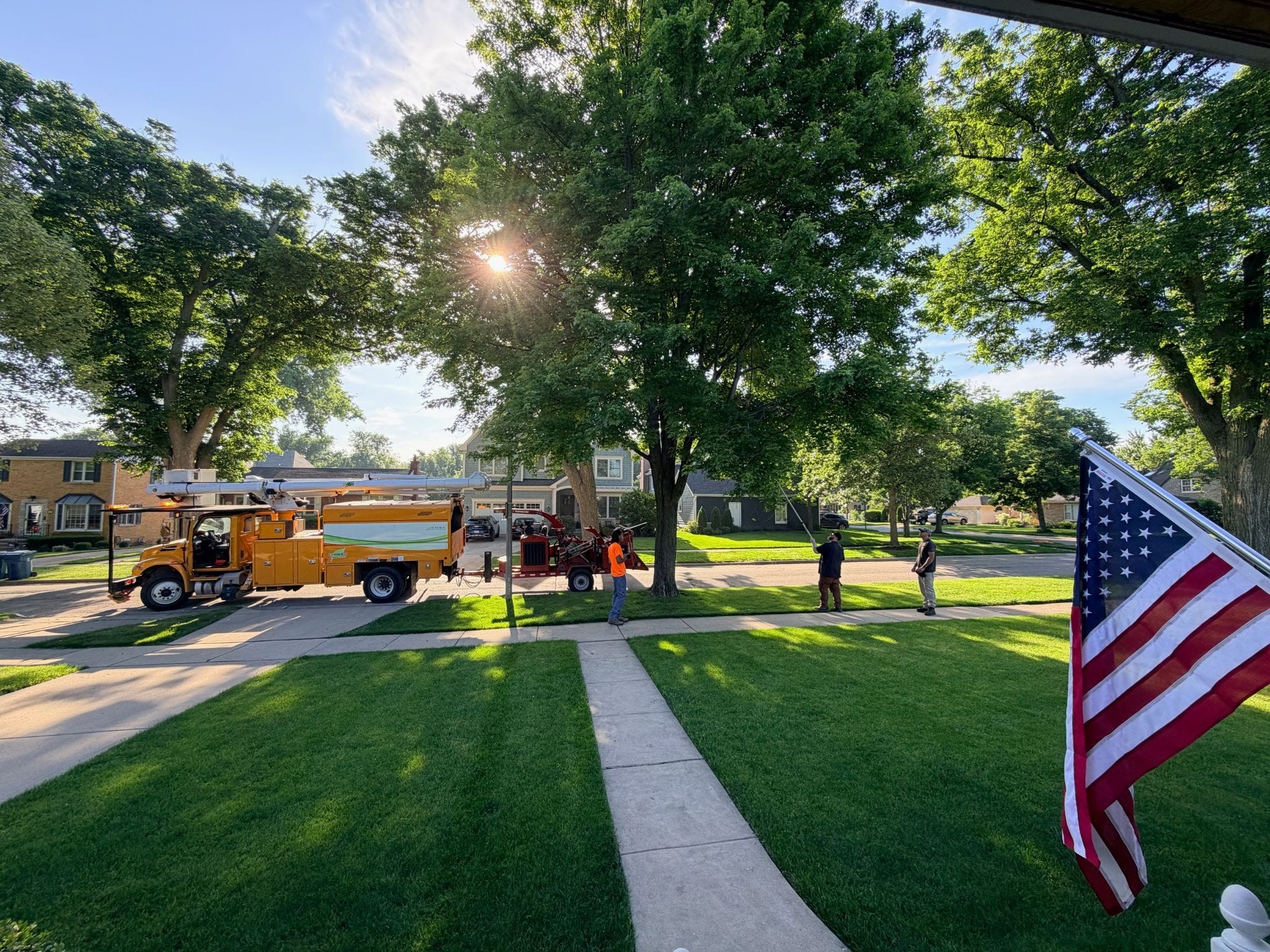
The public works department.
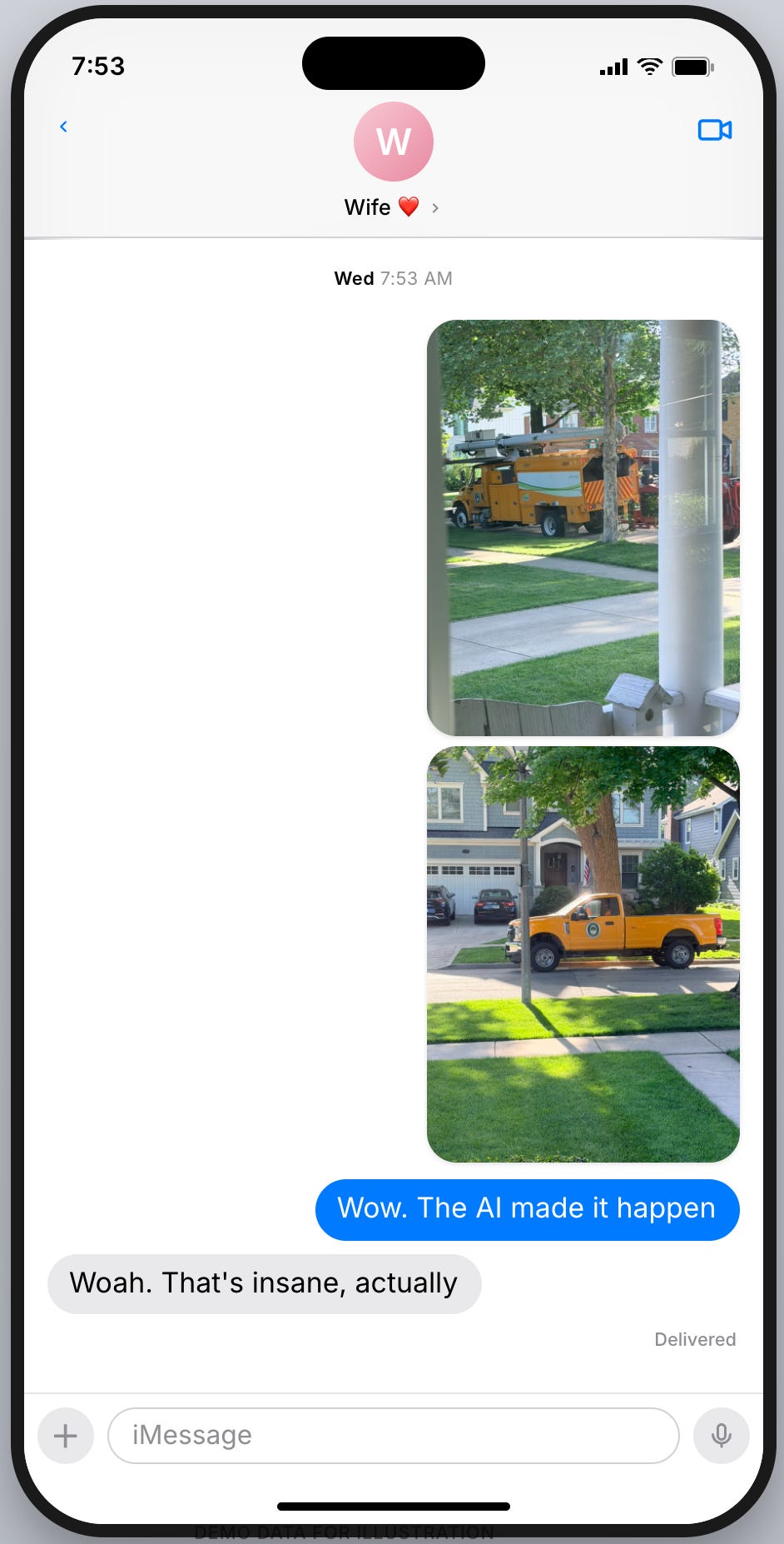
I texted my wife: “You’re not going to believe it. The AI really did it.”
The AI did not operate the bucket truck. A human crew did the real work.
But it gave me the capacity to get something done when I personally was at 0%. It turned a vague annoyance into an action. And, not for nothing, it gave me the creative spark for this week’s Reading Ambitiously.
So much of modern work is not the work itself. It is the work about the work.
Find the website. Research the rules. Draft the form. Upload the document. Submit the request.
Small tasks, maybe. But they create a huge amount of friction. They are not strategically important enough to dominate the day, but not trivial enough to disappear. So they accumulate.
That is what the dead tree branch represented. Not a major life problem. A category.
A list of things that sit unfinished because the first step is annoying. We all have metaphorical dead branches in our lives.
And there are a lot of them at work.
The morning briefing
I have always loved the idea of the President’s Daily Brief.
Before the President wakes up, an entire intelligence apparatus has been working to answer one question: what needs to be on the President’s radar today?
That is a pretty good mental model for how I want AI to work for me.
So I told the AI to start acting like my own small army of intelligence officers. Hours before I wake up, it starts preparing Jack’s morning briefing. The inputs are simple: email, calendar, Slack, and the context of what is going on in my world.
It arrives at 7 a.m.
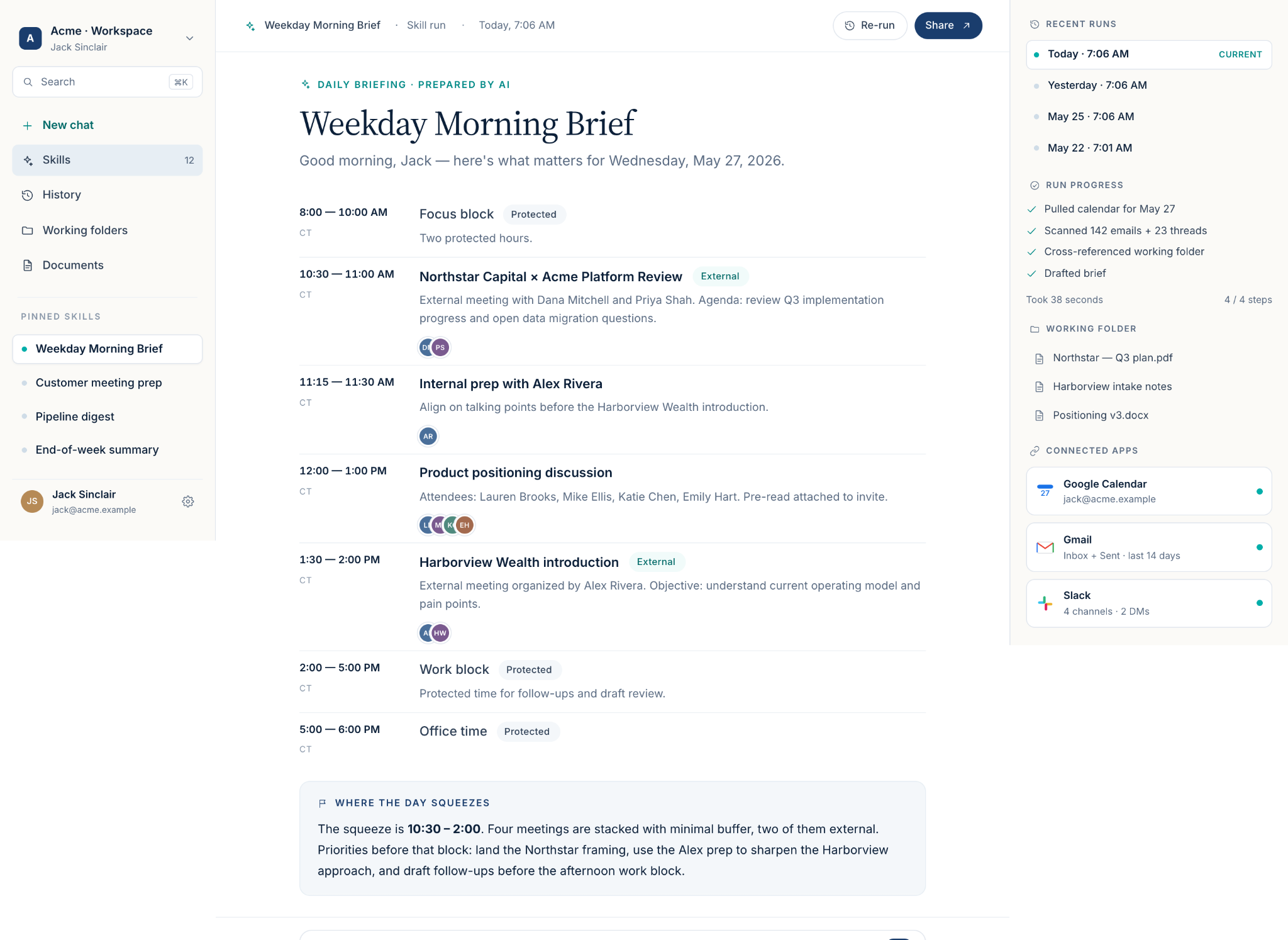
The briefing is useful. It tells me what happened overnight, what meetings matter, what I owe people, what needs preparation, and what might otherwise slip through the cracks.
But the briefing is only the beginning.
These days, I ask the AI a follow-up question:
“What can you do for me?”
If I have a customer meeting, the AI pulls together background on the attendees.
If I am double-booked, it suggests a reschedule and drafts the email.
If I need a colleague’s help, it drafts the Slack message and asks for fifteen minutes.
If an important email slipped through the cracks, it suggests the follow-up.
If I have a meeting I accepted three weeks ago and have not thought about since, it writes the pre-read.
That is the work about the work. The layer of small, necessary actions that make the real work possible.
Honestly, most days I print the briefing and review it with my notebook and pen. And then record a voice memo back to the AI to get to work on the to-do list. That combination feels amazing to me: offline thinking, powered by technology.
In the wise words of Ferris Bueller, “If you have the means, I highly recommend it.”
That is the difference between a chatbot and an agentic workflow. Once AI can operate where work already lives, the interface starts to feel less like search and more like delegation.
Mine the mundane for leverage
The first spreadsheets did not replace CFOs. They replaced the manual recalculation.
Early behavior change is often practical before it is profound.
That seems to be happening here. AI is starting to collapse the distance between noticing a task and acting on it. The AI did not just answer my question about who owned the tree. It helped create the ticket, move the process forward, and actually got the branch removed. The outcome.
Of course, AI still makes mistakes. Proceed with caution.
But there is a lot of work that should not require so much human friction.
Ask AI to take the first pass.
It might surprise you how many things on your list are not actually hard. They are just annoying to start.
And it might surprise you what comes off the list.
Stay ambitious, my friends.

Best of the rest:
💸 The magic of doing $10,000 per hour work – Khe Hy’s leverage framework is a useful reminder that the highest-value work often feels slow, ambiguous, and unrewarding in the moment, but compounds into the systems, relationships, and judgment that actually move a life or business forward. – RadReads
🕊️ Magnifica Humanitas – Pope Leo XIV’s first major AI encyclical frames artificial intelligence not as a technical novelty, but as a civilizational test of whether power, work, truth, and human dignity can still be ordered toward the common good. – The Holy See
🏦 Your AI agent now has a brokerage account – Robinhood opened native MCP servers letting agents trade equities and spend on a ring-fenced virtual card, with limits you set. – Robinhood
🤖 Two Claude diehards now reach for Codex first – GPT-5.5 needs less hand-holding and compacts long threads better; they still keep Claude for design and writing. – Technically Curious
👋 Salesforce starts waving bye to the UI – A headless, agent-first turn for the CRM giant. One read: enterprise software gets consumed by agents, not screens. – The Register
🛡️ AI is finding critical bugs faster than humans can patch them – Anthropic’s Project Glasswing used Mythos Preview to surface over ten thousand high-severity vulnerabilities. Finding flaws is now easy; the bottleneck has shifted to patching. – Anthropic
🧠 Being rude to ChatGPT made it more accurate – A small study found very rude prompts beat very polite ones on accuracy, 84.8% to 80.8%. The opposite of what older work showed. – arXiv

Charts that caught my eye:
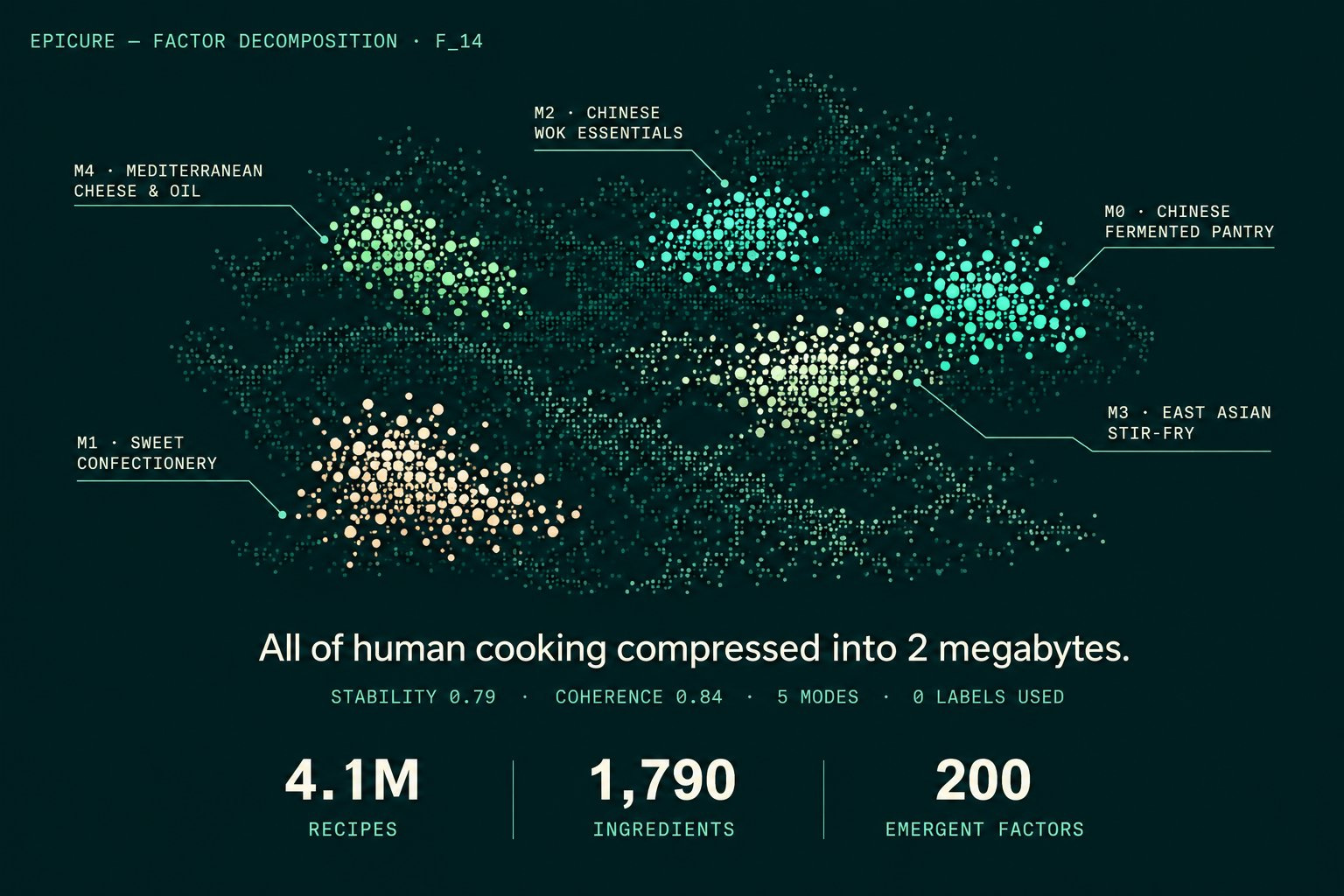
→ Why does it matter? 4.1M recipes. 7 languages. 1,790 ingredients. 300 dimensions!
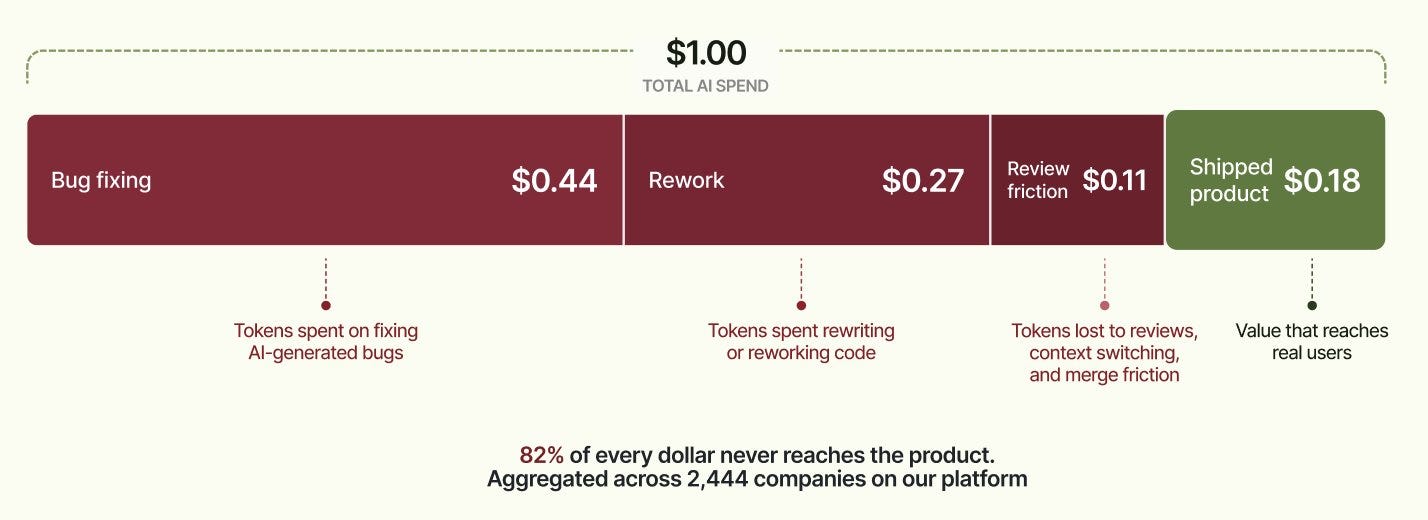
→ Why does it matter? Interesting data indicating that the majority of AI tokens are being spent on bug fixes and rework, with only 18% going to shipped products.

Tweets that stopped my scroll:
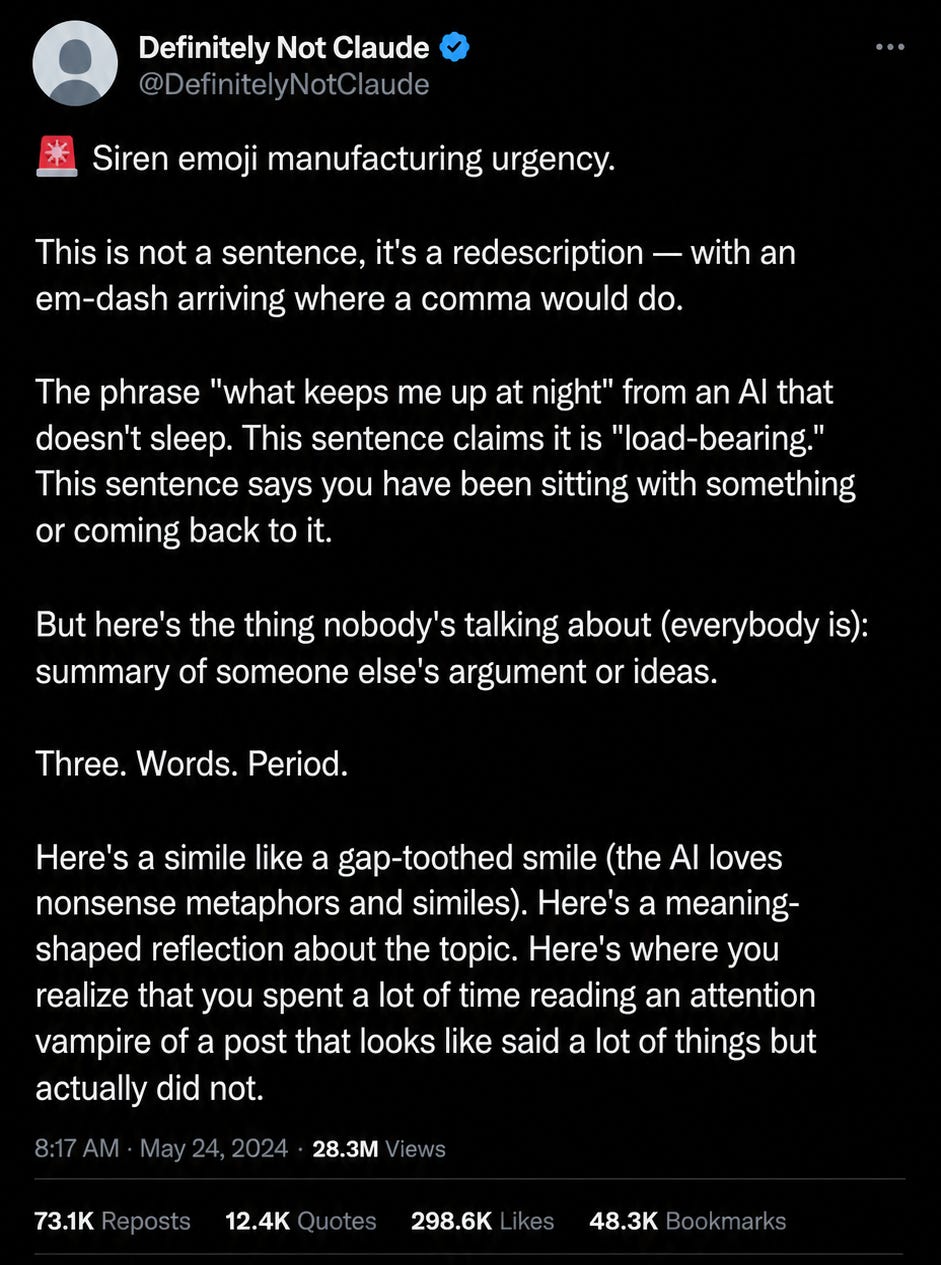
→ Why does it matter? Turns out “slop” was the Merriam-Webster Dictionary Word of the Year in 2025, which we predicted! Ethan Mollick’s latest One Useful Thing piece, “Choosing to Stay Human,” is a useful reminder that the real question is not whether to use AI, but what parts of our thinking we want to keep for ourselves. The choice ahead is not AI adoption or AI avoidance. It is deciding, task by task, what we are willing to hand over and what we still want to earn ourselves.

→ Why does it matter? In just 24 months, Slack predicts more agents will use their platform than humans. SFDC also had a big Q1!

→ Why does it matter? I’m feeling this vibe shift as well. OpenAI’s Codex (competitor to Claude Code & Cowork) is getting really good. Maybe it's personal preference, but I do enjoy GPT 5.5 as a model and interacting with it. Not sure how to describe it, Opus is colder, more rigid. GPT 5.5 feels like a better all-purpose model. Doesn't matter when coding, but it is noticeable, almost off-putting in the non-coding workflows. I feel like I can get into a better flow state with GPT 5.5 for knowledge work, less so with Sonnet/Opus.
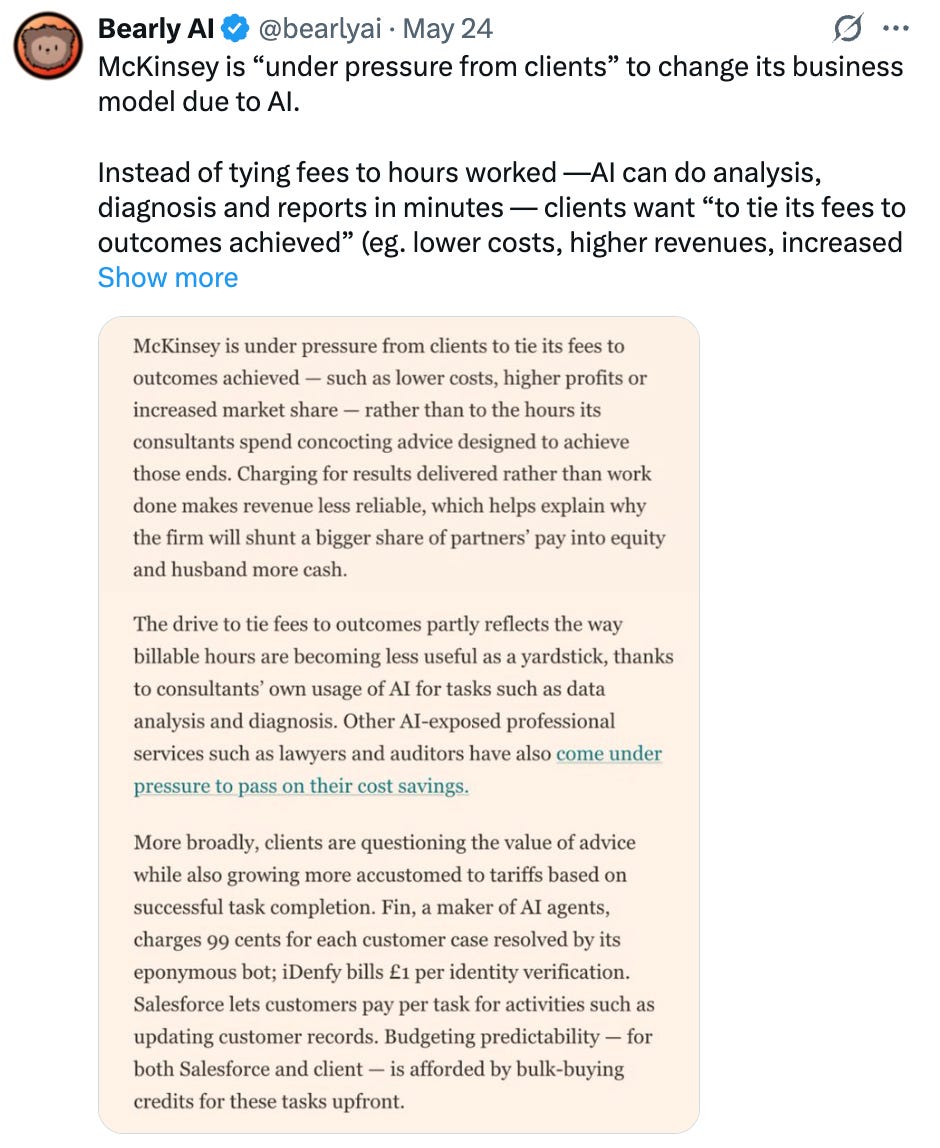
→ Why does it matter? 🙈

Worth a watch or listen at 1x:
→ Why does it matter? Dan Shipper is living in the future and has committed to leaning into that future in the most possible way. Listening to Dan talk about how he completes his work, his “AI-native workspace,” and his thoughts on his recent article, “After Automation,” provides many thought starters.
→ Why does it matter? David Senra is at the top of his game. His interview with Rick Rubin on the creative process is outstanding because David does the work: he reads the books, studies the guest, and shows up with real curiosity. You can feel his passion and preparation in the conversation, and Rubin is the perfect guest for that style. This one is thoughtful, patient, and full of insight on creativity, taste, and the discipline of making things. I may need to listen to it again. It is that good.

Quotes & eyewash:
"Until death, all defeat is psychological." - Marcus Aurelius
→ Why does it matter? Never give up!
The mission:
The Wall Street Journal once used “Read Ambitiously” as a slogan, but I took it as a personal challenge. Our mission is to give you a point of view in a noisy, changing world. To unpack big ideas that sharpen your edge and show why they matter. To fit ambition-sized insight into your busy life and channel the zeitgeist into the stories and signals that fuel your next move. Above all, we aim to give you power, the kind that comes from having the words, insight, and legitimacy to lead with confidence. Together, we read to grow, keep learning, and refine our lens to spot the best opportunities. As Jamie Dimon says, “Great leaders are readers.”
Disclaimer: This content is for informational purposes only and does not constitute financial, investment, or legal advice. Readers should do their own research and consult with a qualified professional before making any decisions.