

Enjoy this edition of Reading Ambitiously as a podcast

The big idea: forward deployed engineers

Everyone seems to have started using ChatGPT or Microsoft Co-Pilot. Getting AI to work reliably across millions of customer conversations? That’s what a16z calls “your grandma getting an iPhone.” Enterprises want to use it. They just don’t know how to set it up.
Someday we’ll have better tooling and integration capabilities to make it easier to build AI Agents. Promising open source protocols like Anthropic’s MCP and Google’s A2A will help. But with where the technology is today, it takes a lot of work to implement.
That problem is creating demand for a new kind of role. Someone who knows how to turn the system on. Configure it. Install it. Debug it. Put it into production. And talk to line of business about the desired outcomes.
Maybe we used to call that consulting or professional services. Today, AI companies call it forward-deployed engineering, a term coined by Palantir. At Sierra, Bret Taylor’s company, they call them Agent engineers. There are real differences between the models, but the need is similar.
The software companies that bridge the gaps between demos, prototypes and production will win. FDE’s are currently the best way to do it.
What forward deployed engineers actually do
Forward Deployed Engineers aren’t your typical consultants. They’re not solution engineers either. Solutions engineers demo software. FDEs understand the business problem, build prototypes and deploy AI Agents into production.
Think of them as technical translators. They speak fluent CEO and fluent Python. They can explain why customer churn is spiking and fix the database query that’s causing it.
Here’s how the roles compare:
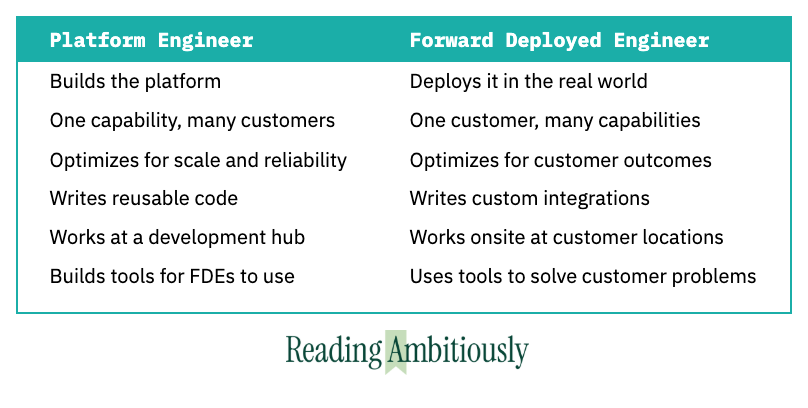
All roles are critical to building software. But the FDE is focused on the last mile. Turning AI on, building Agents and delivering outcomes for the customer.
The integration challenge
Consider what it takes to deploy an AI customer service agent.
The agent needs read access to your CRM. Write access to your ticketing system. Integration with your knowledge base. Connection to your billing platform. Understanding of your return policies. Knowledge of your product catalog.
Each integration point is a potential failure. Different APIs (if there are APIs!). Different authentication methods. Different data formats. Different rate limits.
Product engineers can build these integrations. But they don’t always understand the business context. They don’t typically know why the return policy changes for international customers. They don’t usually understand the regulatory nuances.
That’s where FDEs come in.
What makes a great FDE
This isn’t business process consulting. And it’s not pure engineering either. The best FDEs are hybrids. They’re quick learners who can walk into a customer environment, make sense of the data, and start delivering value. They can wire up a RAG pipeline and then explain to a COO why it matters.
Most importantly, they communicate clearly. Not in technical jargon, but in business outcomes. They don’t talk about token limits. They talk about churn reduction and customer satisfaction.
In the AI era, communication is a technical skill. Palantir requires FDE’s read Impro: Improvisation and the Theatre to improve communication skills. And it’s not the only intangible required. An FDE needs to be intellectually curious, a quick learner, scrappy, and willing to fail.
I am also coincidentally describing what makes for a great product manager. The biggest difference being that PMs are focused on one-to-many and FDEs on one-to-one until the prototype is ready to be uptaken back into the product and platform.
Wait… aren’t FDE’s just consultants? No. And there are risks.
When Palantir went public, some called it a consulting firm with a software wrapper. Their margin profile didn’t help. Gross margins came in well below the 70 percent benchmark. The services-heavy FDE model was a drag.
But FDEs are not consultants. They build. They ship. They work in live production environments. And when deployed well, they drive real business outcomes.
Still, there are risks.
Custom work doesn’t scale on its own. Without a tight loop between FDEs, product managers, and platform teams, bespoke deployments stay that way. They create drift. They become snowflakes.
Plenty of legacy vendors made this mistake. Too much customization. Too many forks. Suddenly, you’re managing dozens of versions and spending half your R&D budget on maintenance.
This is the trap.
If you go forward-deployed, you have to go platform-first. That means building common tools. Shared infrastructure. Reusable components. You need a path to turn field learnings into product improvements.
If not, the team that won the deal may slow down the next one.
So you want to build an FDE team. Here’s what you need.
If you’re a software company serious about getting AI into production, you may need a Forward Deployed Engineering team.
Here’s what it takes to build a great one based on studying the companies that have pulled it off:
1. Hire fast learners with range: You need builders who ask good questions, learn new domains, and ship quickly. Many FDE’s have an ownership mentality and may be interested in founding a company themselves someday. Like this person.
2. Prioritize business fluency: Your best FDEs won’t fixate on token limits although they’ll understand them. They’ll talk about NPS, churn, and time-to-resolution. They speak fluently about business impact.
3. Put them in the room: Tacit knowledge doesn’t live in the documentation. It’s in conversations, edge cases, and tribal workflows. Getting your FDEs onsite helps uncover what actually matters.
4. Comp plans should reward outcomes: Tie incentives to value delivered. Deployments. Expansions. Renewals. Don’t treat them like billable resources. Treat them like operators.
5. Build the loop between FDE and product: FDEs surface the sharp edges of your stack. Build the loop. What they learn in the field should help shape what gets built next.
6. Start manual. Then scale: Document everything. Productize what works. Build integrations once, reuse often. Every customer teaches you something repeatable.
The Bottom Line
What’s old is new again.
The most enduring software companies have always understood that building a great product is only part of the work. Salesforce, Workday, and ServiceNow didn’t succeed because of features alone. They built what Geoffrey Moore called “the whole product.” That included implementation, professional services, and a deep commitment to customer success.
Forward Deployed Engineering is the modern extension of that idea.
AI applications are powerful, but they’re also deeply contextual. Helping customers succeed means going beyond the demo. It means understanding their business, integrating into their workflows, and staying close to the outcomes that matter.
That’s what FDEs do. And for companies navigating this next era of enterprise software, building that capability might be the difference between a compelling parlor trick and a future market leader.

Best of the rest:
💸 Oracle lands a $30B cloud whale — A single, unnamed customer just signed on to spend $30 billion a year with Oracle starting in 2028—tripling the size of its current cloud infrastructure business and signaling a seismic shift in enterprise cloud power. — Bloomberg
🤯 Claude Flow blows an ex-Netflix technologist’s mind — Adrian Colyer, the legendary “morning paper” curator and former CTO at SpringSource and Venture Partner at Accel, dives into Anthropic’s new Claude Flow and finds a glimpse of software’s future: agents reasoning together, not just vibing alone. — Medium
🧠 AI Progress Is Fueled by Data, Not Ideas — Jack Morris makes the case that every major advance in AI has followed the arrival of a new dataset—not a new algorithm—suggesting that the next breakthrough will come from unlocking richer, untapped sources like video or embodied data. — Jack Morris on Substack
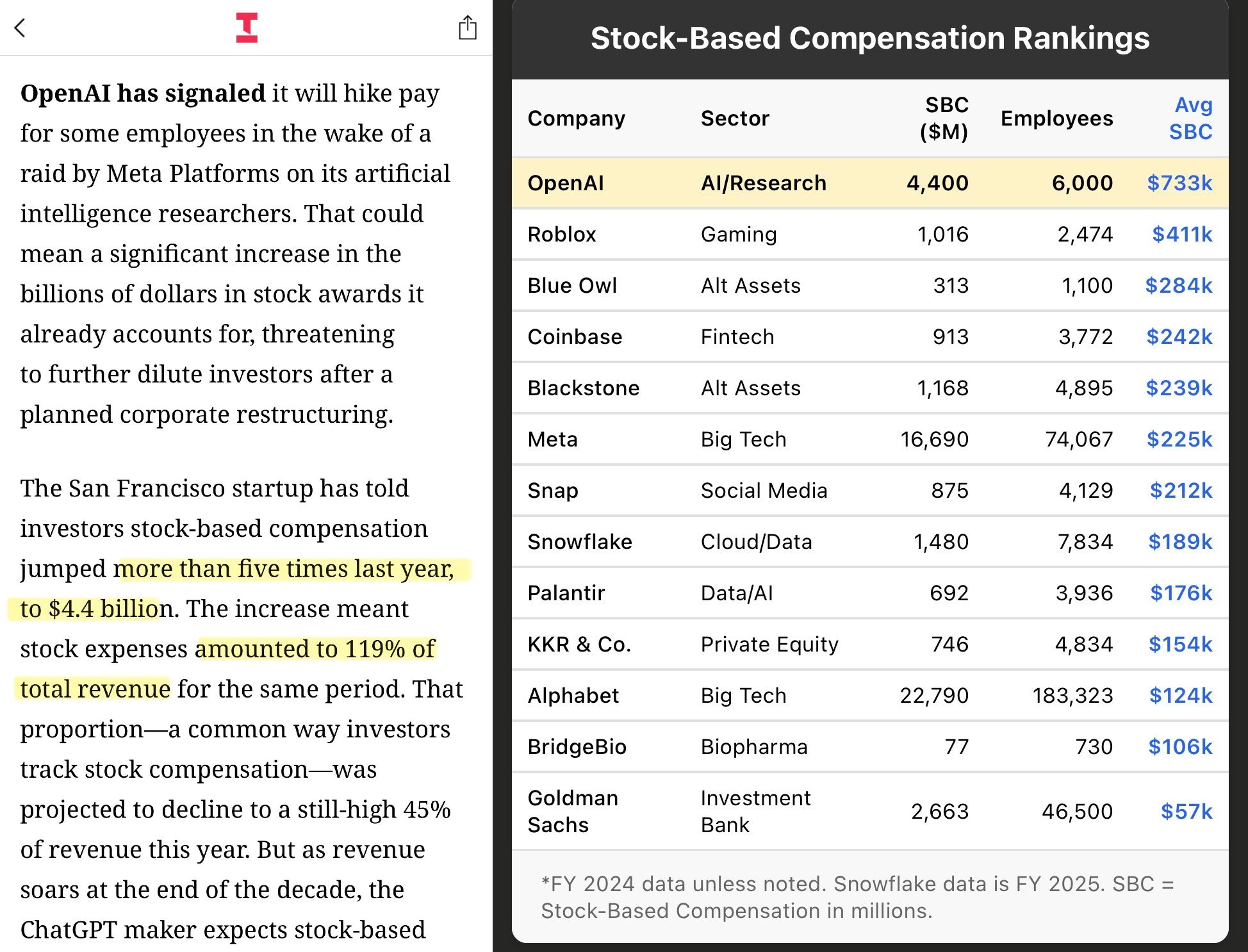
🏃♂️ OpenAI Scrambles to Stop the Brain Drain — After Meta poached four senior researchers, OpenAI leadership is calling it a “break-in” and racing to retain talent—despite already spending $7B annually and facing pressure to slow down and focus on the long game. — WIRED
📉 India Cracks Down on Speed Traders — Regulators just sent a global message by hitting Jane Street with a rare penalty, signaling that India’s markets won’t be a playground for aggressive high-frequency strategies. – Bloomberg

Charts that caught my eye:
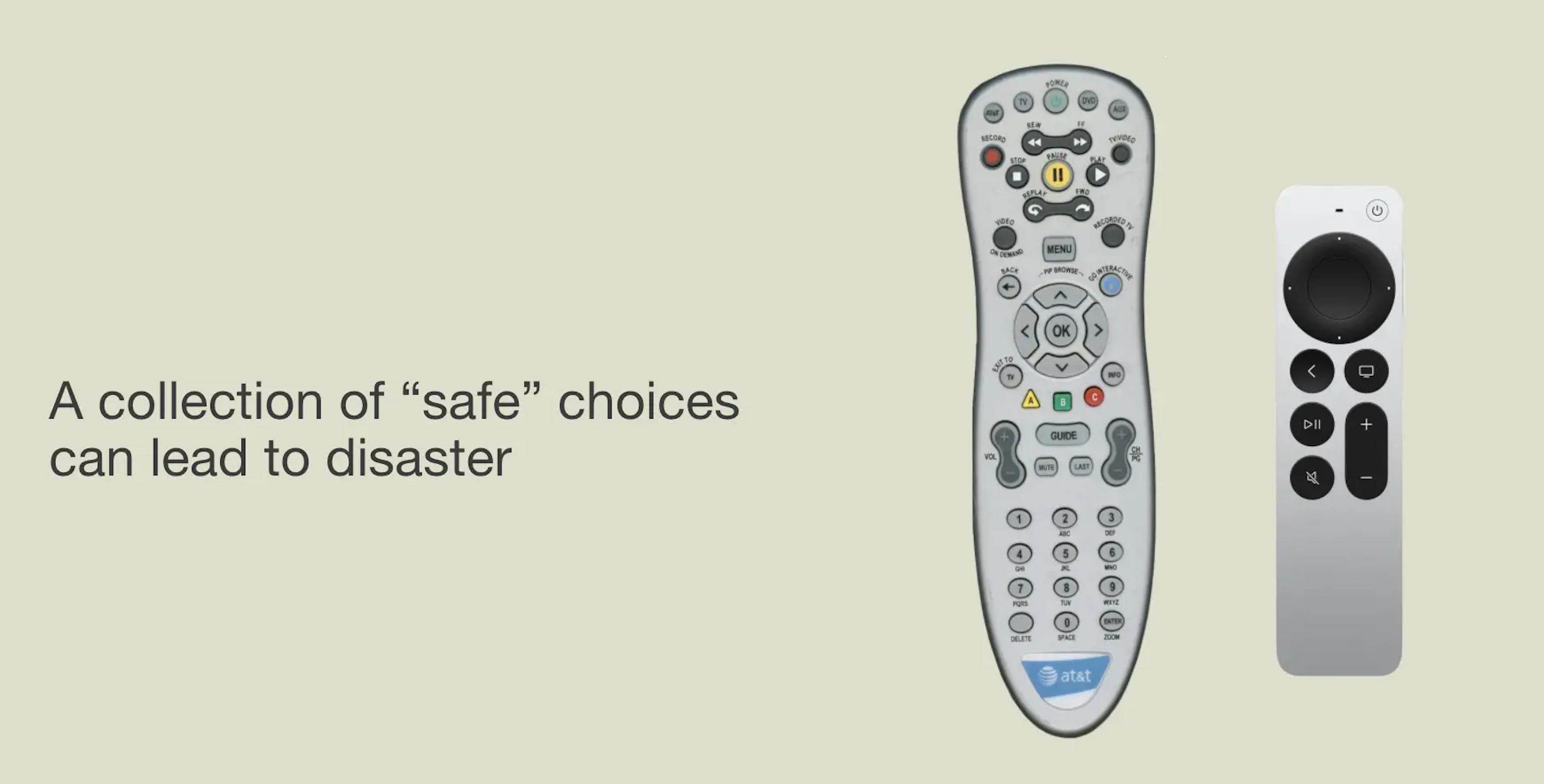
→ Why does it matter? A picture says a thousand words.
The New Skill in AI is Not Prompting, It's Context Engineering (Phil Schmid)
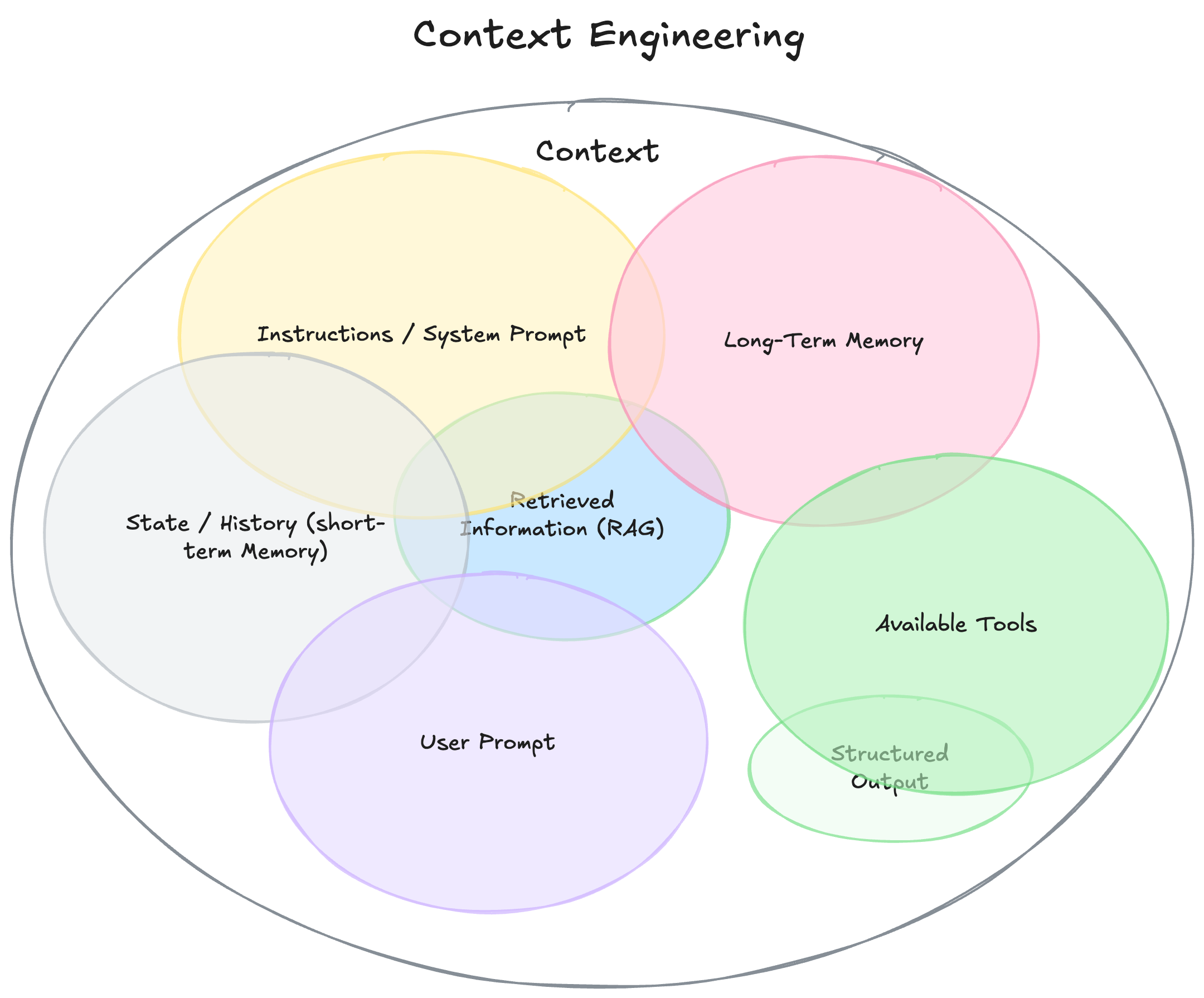
→ Why does it matter? As language models mature, the limiting factor isn’t the model itself. It’s what you feed it. Most AI agents don’t fail because they lack reasoning power. They fail because the inputs are thin, disorganized, or incomplete. Context Engineering shifts the focus from prompt writing to system design. It’s the discipline of assembling the right information, tools, and structure so the model can actually perform the task. This includes memory, retrieval, tools, and structured outputs. In practice, it means the difference between a robotic assistant and one that feels useful. As models become more capable and interchangeable, context becomes the core product.
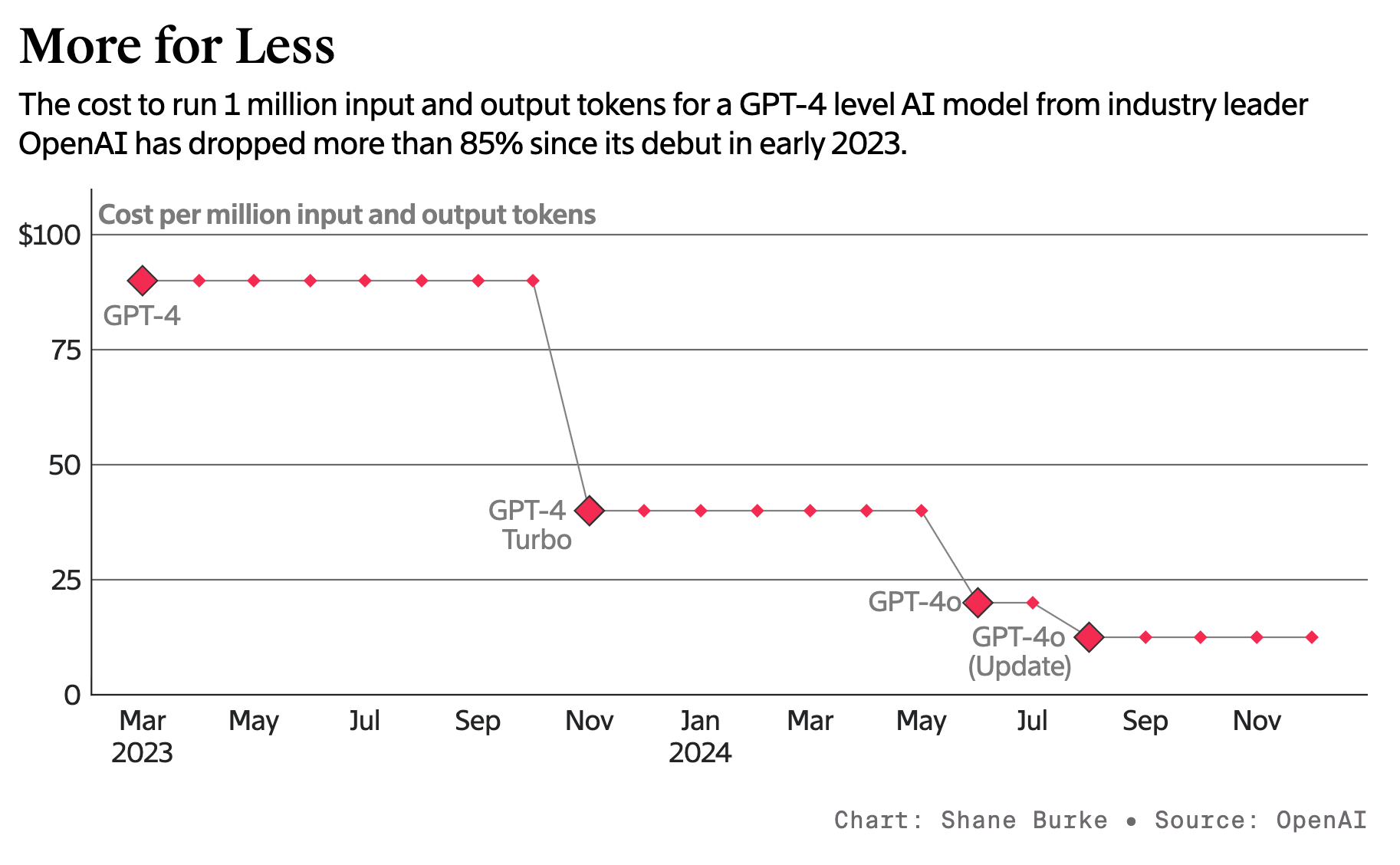
→ Why does it matter? The cost to run 1M i/o tokens is down 85% in just 2-years. Incredible to watch the prices drop on AI. Jevons Paradox! As AI gets more efficient and accessible, we will see its usage go way up!

Tweets that stopped my scroll:

→ Why does it matter? Cursor didn’t just build a better AI coding tool. It built something developers genuinely love. And when your customer is a developer, that’s everything. They don’t adopt based on brand or sales. They adopt what feels right in their workflow. Cursor delivered a faster, cleaner, more intuitive experience that spoke to how engineers actually work. That emotional connection is what drove distribution—and if you can drive distribution faster than the incumbent, you can win.

→ Why does it matter? WOW! This demo is worth watching as Shortcut has built an Excel-like product powered by AI!

→ Why does it matter? Meta has assembled an AI all-star team by hiring top builders behind GPT-4, Gemini, and Chinchilla. But all-star teams don’t always win. Research pedigree is one thing. Building and shipping great products together is another. The real challenge is turning individual brilliance into coordinated execution. Open is certainly not standing still either. 👇

Worth a watch or listen at 1x:
→ Why does it matter? Marc Benioff is the enterprise software GOAT, and Emily Chang is one of the few journalists who truly understands his playbook. This wide-ranging interview offers a clear look at how he sees the future of SaaS, the rise of AI agents, and what it takes to lead through technological and cultural change. If you want to understand where enterprise tech is going, this is the conversation to study.
→ Why does it matter? What an incredible story that I had no idea about! I just saw my Clear subscription up for renewal, I’ll be keeping it.

Quotes & eyewash:
“However beautiful the strategy, you should occasionally look at the results.”
Winston Churchill
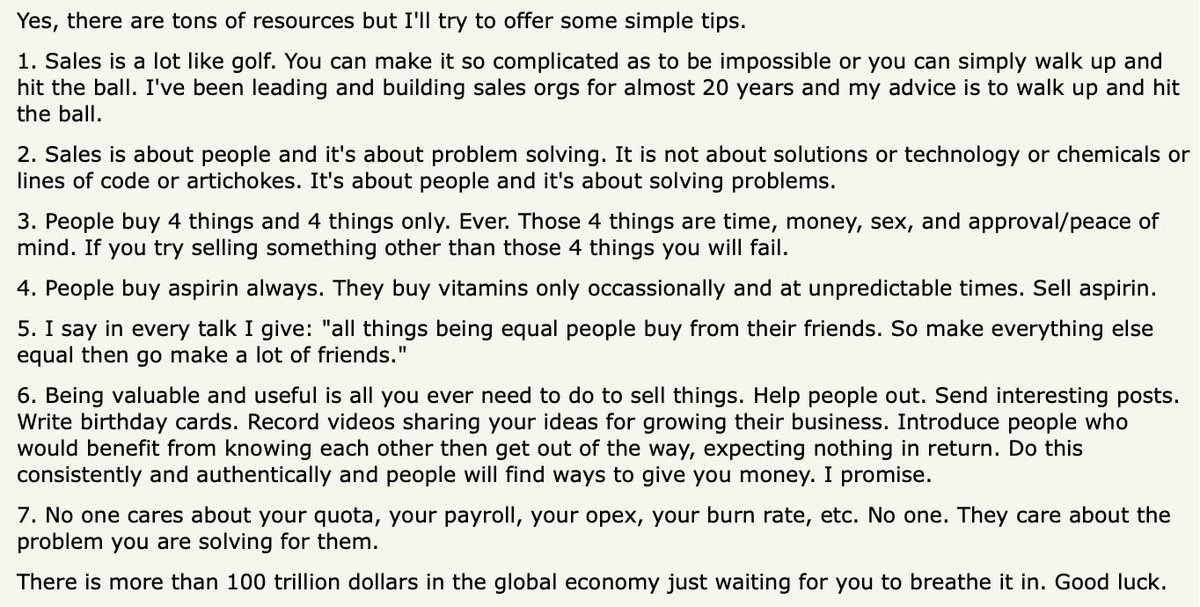
→ Why does it matter? Timeless reminders on sales that are worth revisiting often.
The mission:
The Wall Street Journal once used ‘Read Ambitiously’ as a slogan, but it became a challenge I took to heart. We aspire to give you a point of view in a noisy, ever-changing world. To unpack the big ideas that sharpen your edge and show why they matter. To fit ambition-sized insight into your busy life. And to channel the zeitgeist into the stories, signals, and substance that fuel your next move as leaders. Together, we can read with an intent to grow, always be learning, and refine our lens to spot the best opportunities. As Jamie Dimon says, “Great leaders are readers.”