

Enjoy this week’s Big Idea read by me:

The big idea: RIP software? don’t believe the vibes.

Last week, OpenAI released GPT-5. It’s probably the most capable large language model in the world. Sam Altman teased it with a photo of the Death Star.

The internet’s initial reaction…Disappointed. Academic benchmark scores were good, but not by an order of magnitude leap forward. AGI didn’t arrive.
The real story is that ChatGPT is now a multi-model system which can route between models for better results. It’s quiet but important progress at the frontier.
Even if you’re not on the frontier, what AI can do today, especially where it meets software, is still mind boggling to me.
What Is Software?
At its core, software is a set of instructions telling a computer what to do. For decades, humans wrote those instructions to solve specific problems or perform particular tasks.
AI changes that dynamic. It can now write the instructions, build the application, and even deploy it. Very fast.
That speed has led some to predict the “end” of software as we know it. If a machine can vibe code anything on demand, will we ever need to build software again?
The short answer is no. But the moats are shifting. The crown jewels used to be the code itself. The code still matters, but that’s what just got much easier to generate. Great products still require deep technical skill, architectural discipline, and industry knowledge, without all of that, the result is fragile.
Durable software companies are built to last. They have high switching costs, long tear-out times, complex integrations, and customers who depend on them to run critical workflows. Quality is non-negotiable.
“Want to build an ERP system? Welcome to the swamp. Come on in.” - Dave Duffield
Disposable software sits at the other end of the spectrum, especially in the B2C space. It can be replicated quickly, has low switching costs, and does not take long to implement. Most of the “apps” on my phone are a good example: time to yes is instant, time to utility is instant, tear-out time is minutes, switching cost is near zero, and there is no data moat.
With AI, you can now build a lot of these disposable pieces of software yourself and that’s going to be game changing.
Let’s take a look at an example.
CompUSA to Google to AI
My first software experiences were at CompUSA. Drive to the store, browse shelves, buy a box, take it home, install it. Updates and expansion packs meant more a trip back to the store.
Then came the internet. Software moved to browsers. Google made it searchable. You’d find what you needed, create a login, purchase or subscribe. On the iPhone, the App Store put software at your fingertips.
But now, I can ask AI to write software for me, based on my custom instructions and in minutes.
Learning to type
My 6-year-old is learning to type. Back in the CompUSA days, we’d have made a Saturday morning trip for something like “Kid’s Typing Bundle” with Mickey Mouse on the cover.
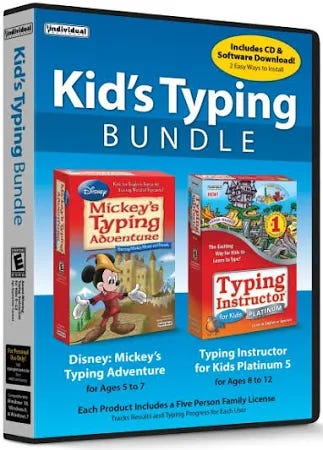
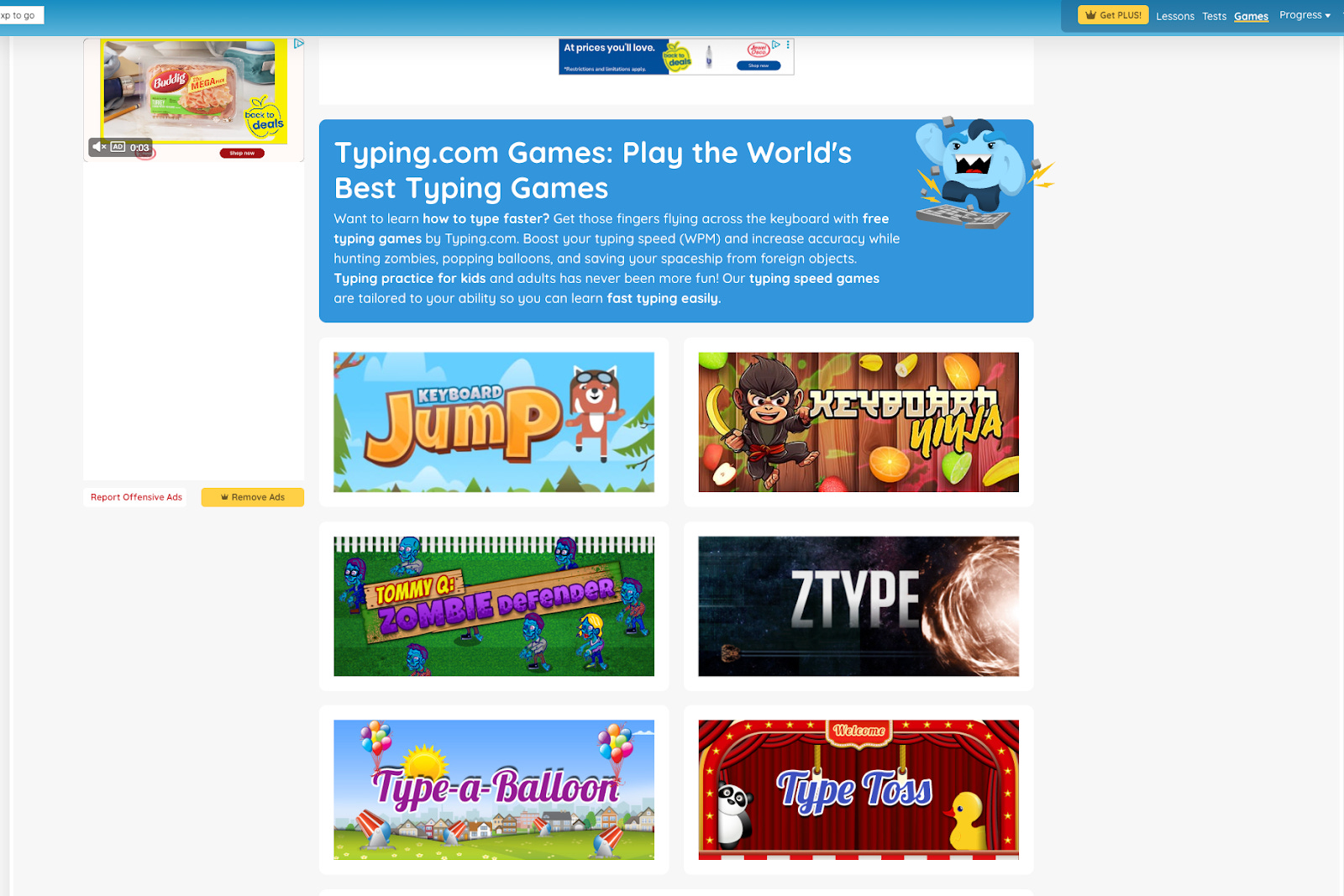
These days, I Google, compare sites, dodge ads, set up logins, and pay to unlock lessons beyond “f” and “j”.
Earlier this week, I prompted an LLM: a typing game matched to her skill level, rewarding progress the way I know works for her. Three minutes later, she was playing it.
No driving. No install. No Google search. No logins. No ads. No purchase. No fixed feature set. All personalized based on what I want, right now.
The time compression and underlying impact on business models is staggering.
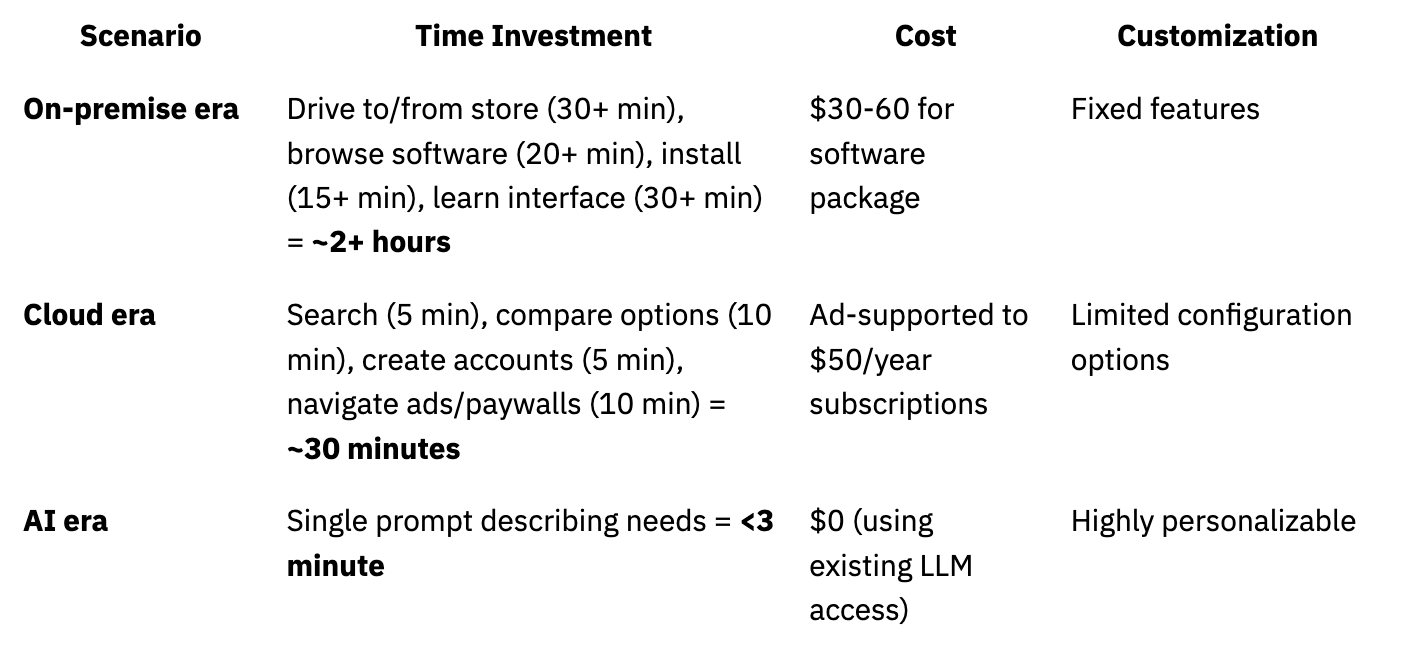
From two hours in the CompUSA days, if what you needed was even in stock, to minutes with AI.
Splitting a bill
If you’ve ever hosted an event with friends, splitting expenses is a pain. For years, I used Splitwise. It’s great at aggregating expenses, calculating balances and saving time.
Over the weekend, we hosted one of these events. I set up a Splitwise group, sent out links and hit friction. Most co-hosts hadn’t heard of it and didn’t want to create accounts.
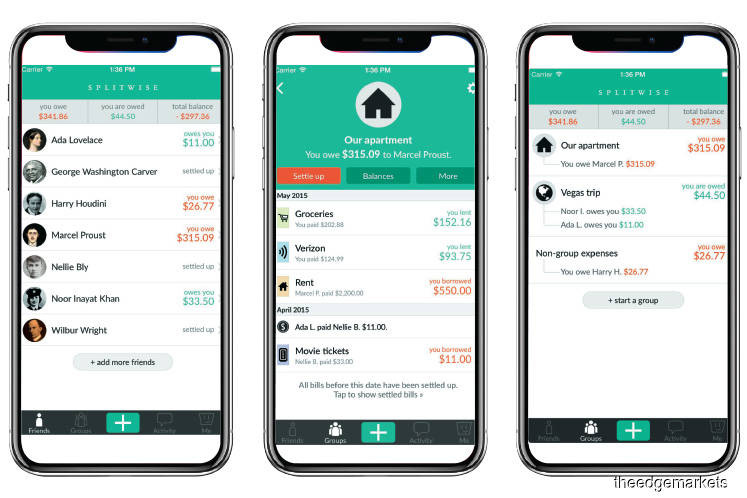
So I had AI build a Splitwise clone from scratch. Three minutes later, it was live. I told the AI what people owed, it calculated who and how much to pay and even generated a button to text message the group.
The app I used to pay $30 for? Poof.
When Code Generation Becomes Nearly Free
GPT-5 is priced at $1.25 per million input tokens and $10 per million output tokens - a 50% drop from GPT-4o. Open-source models are even cheaper: $0.05 and $0.40, respectively.
My Splitwise replacement? Less than a penny to generate. The typing game? Maybe two cents. We’re approaching “too cheap to meter” where marginal cost is negligible and consumption patterns change.
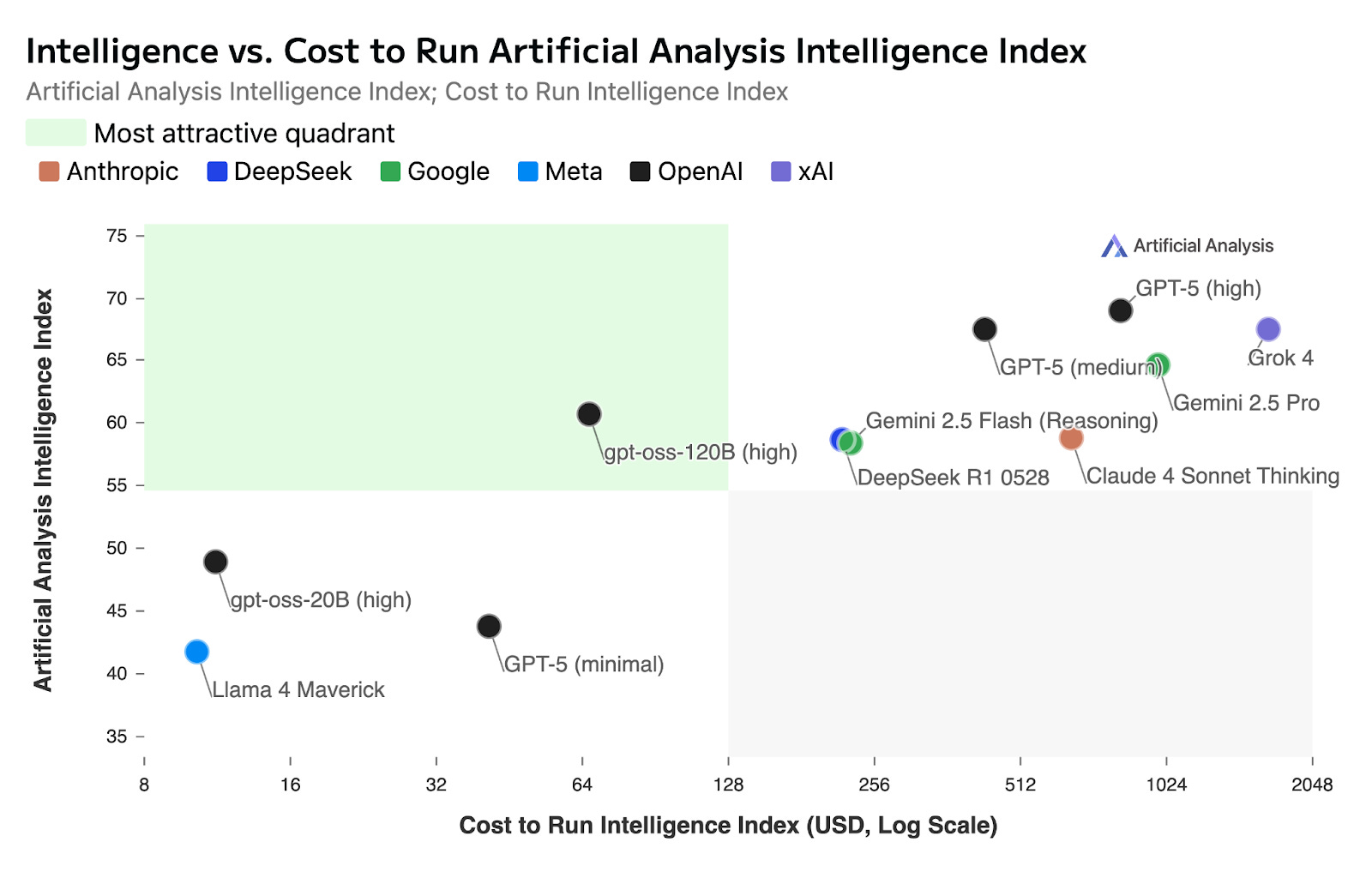
And this isn’t just about price. Code generation itself is becoming commoditized at least for disposable apps like typing and splitting bills.
The Jevons Paradox says lower costs increase consumption. When anyone can create software, everyone will. AI is likely to make software development accessible to billions.
The Printing Press & Software Parallels
Before 1450, manuscripts were scarce, expensive, and controlled by elites. The printing press unleashed an explosion of books and a tidal wave of low-quality information.
As historian Elizabeth Eisenstein noted, printing “did as much to perpetuate blatant errors as it did to spread enlightened truth.”
Value accrued to trusted publishers, credible authors, and editors who verified the output. The abundance of books created a huge premium for quality and trusted content.
AI’s impact on software is similar. Faster, cheaper development will flood the world with code. Alongside great tools will be mountains of “slop.”
We too will likely double down on trusted publishers, credible authors and editors who verify the output.
A Cambrian Explosion of Apps and Slop
The gap between wanting software and having it is still collapsing to near zero. Users will spawn micro-applications tailored to the moment.
Such as this example from Alex Varga who built a calorie tracking application on 4-different vibe coding platforms. Remember, MyFitnessPal? The leading calorie tracker. Under Armour acquired them in 2015 for $475 million.
Sam Altman calls it the “fast fashion era” of software. Expect:
Personalized software libraries – Generate your own, on demand.
Ephemeral solutions – Build it, use it once.
Hyper-personalization – No fixed feature sets. Everything fits the user exactly.
And yes, also a lot of slop. We’ll need the Temu-equivalent of an app store.
New Moats
The traditional moats for software companies are still intact, though the water may be shallower and the sharks fewer. Here is some new logic on how to think about that:
Proprietary data and context – The unique datasets and domain expertise that shape AI output is hugely important. Collect, curate, and verify with the same rigor once reserved for R&D. In AI, the asset is the dataset. Treat it like it belongs on the balance sheet.
Verification infrastructure – AI is probabilistic and it hallucinates. Output you cannot trust is worthless. Build novel and difficult to copy ways to formally verify results so they behave exactly as intended every time. Be the trusted editor for your customers.
Intent capture – Be there the moment a customer realizes they need something. This is less about competing on features and more about being in position when the thought turns into action.
Velocity and Forward Deployed Engineers – When testing costs near zero, not prototyping becomes the real risk. Speed is not just an advantage. It is a requirement. FDEs embedded with customers can close the gap between idea and production in days, not months.
The Bottom Line
Winning in software has always required deep skill, judgment, and domain knowledge. Those strengths lead to craftsmanship and quality. And quality matters even more in an era where anyone can generate code.
The advantage will belong to those who pair that expertise with proprietary data, trusted verification, and the ability to be present at the exact moment of customer intent as fast as possible.
AI can generate code in minutes. The question is whether it will be the right code, built on the right data, delivered by people you trust. That is the difference between disposable vibes and a durable product.

Best of the rest:
💸 AI Is Creating New Billionaires at a Record Pace — The AI boom has spawned 498 unicorns worth a combined $2.7 trillion (100 of them founded since 2023), minting at least 15 new billionaires from companies like Anthropic, OpenAI, and Anysphere. – CNBC
🏎️ Ferrari Status — What makes Ferrari exceptional isn’t just engineering—it’s restraint, a lesson in how doing less (on purpose) can drive better margins, brand, and long-term value. – Collab Fund
🪐 The State of AI 2025 — Three years after the AI Big Bang, early galaxies are taking shape in the cloud AI universe, while vast “dark matter” still hides unclaimed opportunities. – Bessemer Venture Partners

Charts that caught my eye:
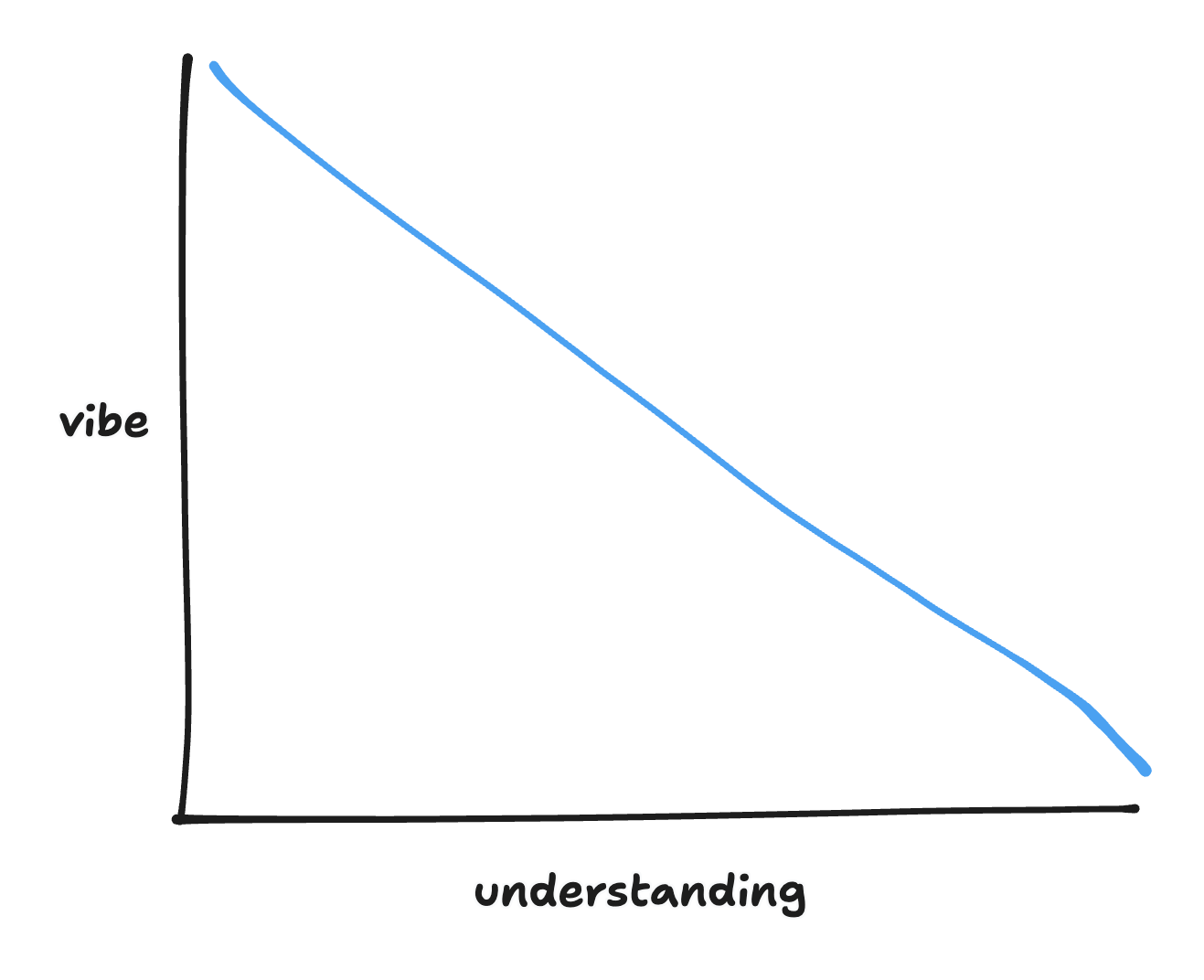
→ Why does it matter? As Val Town notes, vibe code is legacy code the moment it is written. Like AI-generated writing, the leap from first draft to something maintainable takes craft. If you plan to keep it, you need enough understanding to shape and guide it over time.
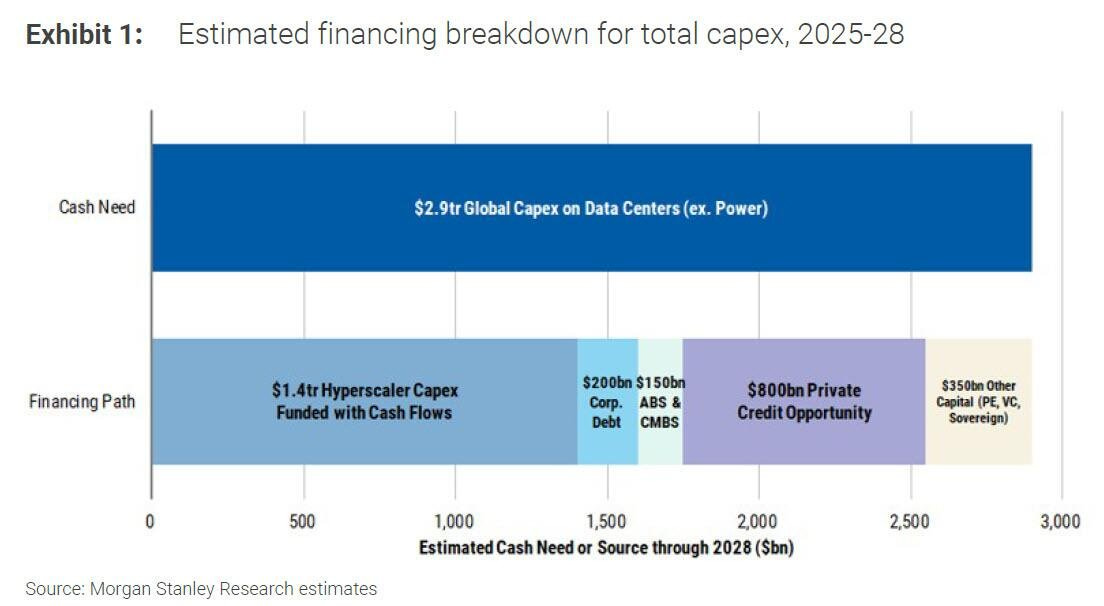
→ Why does it matter? Data center buildout is outpacing even the hyperscalers’ cash machines. Morgan Stanley pegs global capex at $2.9T by 2028, with free cash flow covering just half. The rest will require a financing mosaic: corporate debt, asset-backed securities, private credit, and outside equity.

Tweets that stopped my scroll:

→ Why does it matter? If you enjoyed this weeks Big Idea, here is another hot take on the “end” software that’s worth a read.

Worth a watch or listen at 1x:
→ Why does it matter? Is it maximally accelerated? A conversation with the product manager behind OpenAI’s latest release of ChatGPT which runs on their current SOTA model GPT-5!

Quotes & eyewash:

→ Why does it matter? High agency is one of the super powers of any great company culture. Find a way to get what you want, without waiting for conditions to be perfect or blaming the circumstances.
→ Why does it matter? Working from home. 😂 H/t: @buitengebieden
The mission:
The Wall Street Journal once used ‘Read Ambitiously’ as a slogan, but it became a challenge I took to heart. We aspire to give you a point of view in a noisy, ever-changing world. To unpack the big ideas that sharpen your edge and show why they matter. To fit ambition-sized insight into your busy life. And to channel the zeitgeist into the stories, signals, and substance that fuel your next move as leaders. Together, we can read with an intent to grow, always be learning, and refine our lens to spot the best opportunities. As Jamie Dimon says, “Great leaders are readers.”