



The big idea: Grok Bot is a glimpse of the future
Reading time: 5 minutes

“Don’t show your product. Show the change your product enables.” - Steve Jobs
In the beginning, technology is, for lack of better words, technical.
Academics, hobbyists, and enthusiasts are comfortable with this phase because they enjoy tinkering. They read the blogs and documentation, open terminal windows, and happily spend a Saturday connecting it all up.
If you read last week’s Reading Ambitiously 8.14.26 and headed to the store to buy a Mac mini, you are one such tinkerer.
The internet had plenty of them too. In the 1970s, researchers used a radio van to demonstrate how information could travel across a network. Early versions of the internet required you to understand protocols like TCP/IP and work through terminal commands.
Then the browser came along.
Netscape Navigator wasn’t the first, but it was the best. Fast, slick, commercially supported, with a graphical interface that combined words, links, and images. It became the gateway to the power of the internet that we know today.
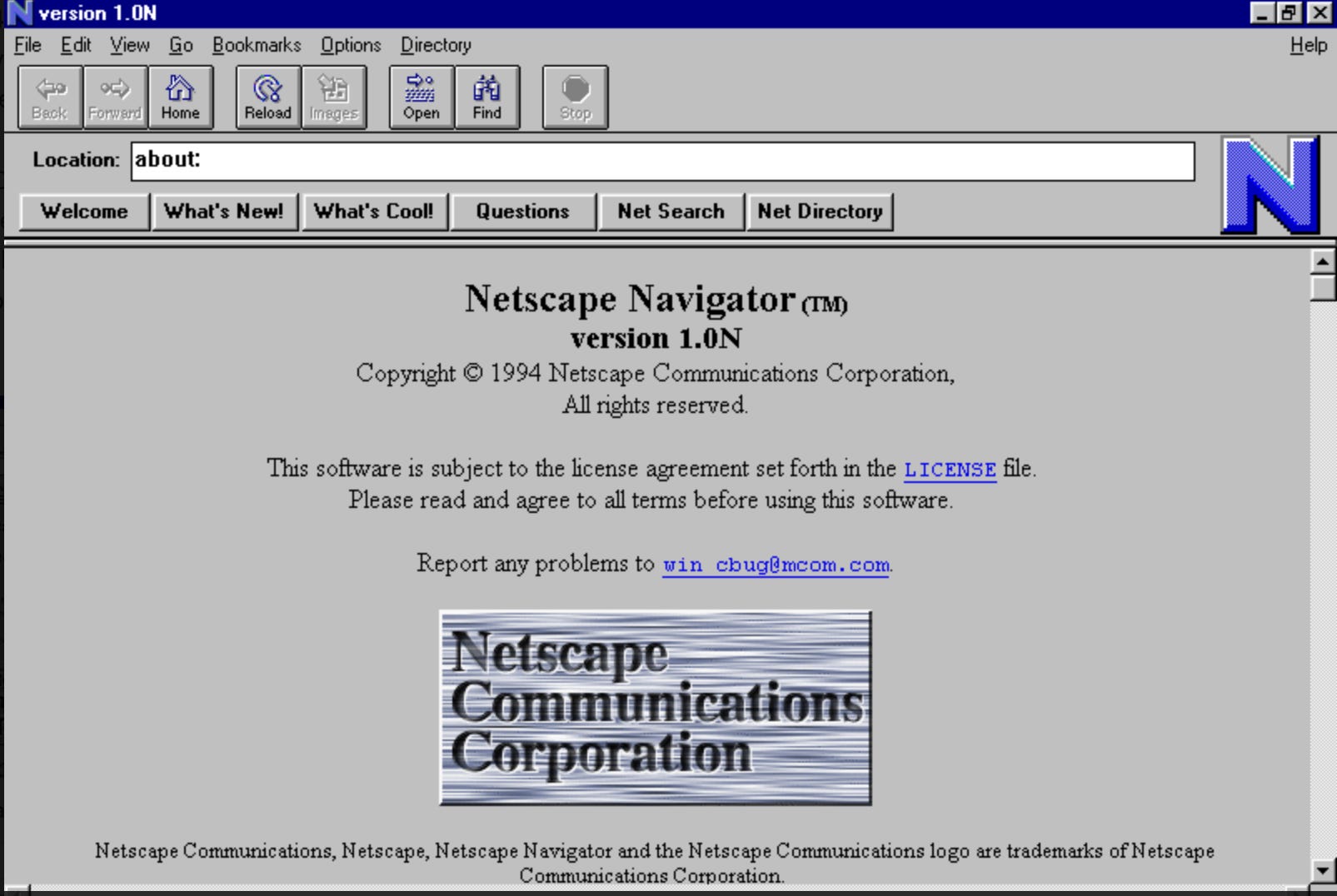
Great products make the technology less visible and the benefit more tangible. The barrier to adoption drops and people start to feel the magic. I’ve heard this idea called a “Netscape moment.”
AI has already had a few Netscape moments
We will live through several more of these in the AI era.
ChatGPT was definitely one. Large language models already existed, but a chat window made their power available through conversation. Claude Code was another. It put AI inside the codebase and showed us that it could write software.
And arguably this week, we had another with the introduction of Grok Bot.
Grok Bot gives you teammates you can hand real work to. The Bots can sign in to our tools, use them much like we do, and come back with finished work.
OpenClaw and Hermes have been two popular open-source projects working on a similar idea. Block released a project called Buzz with a Slack-like front end. They showed that an always-on agent could use a computer, remember things, learn how you work, and offer a familiar interface.
They also still required a fair amount of tinkering.
For two years, I have been writing about the primitives underneath these systems. Harnesses, skills, tools, MCP, memory, routines, orchestration agents, subagents.
At some point, great products are going to make these ideas invisible and the benefits tangible.
Grok Bot is a preview to where we are headed. And after only a few days with it, my spidey sense is off the charts.
Meet Grok Bot
The first thing I noticed was how familiar it felt. It looks a lot like iMessage, Microsoft Teams and Slack.
On the left side of the screen is a list of Bots with names and jobs: Chief, Sales Outbound, Inbox Manager, Account Manager, Talent Scout, Expense Manager.
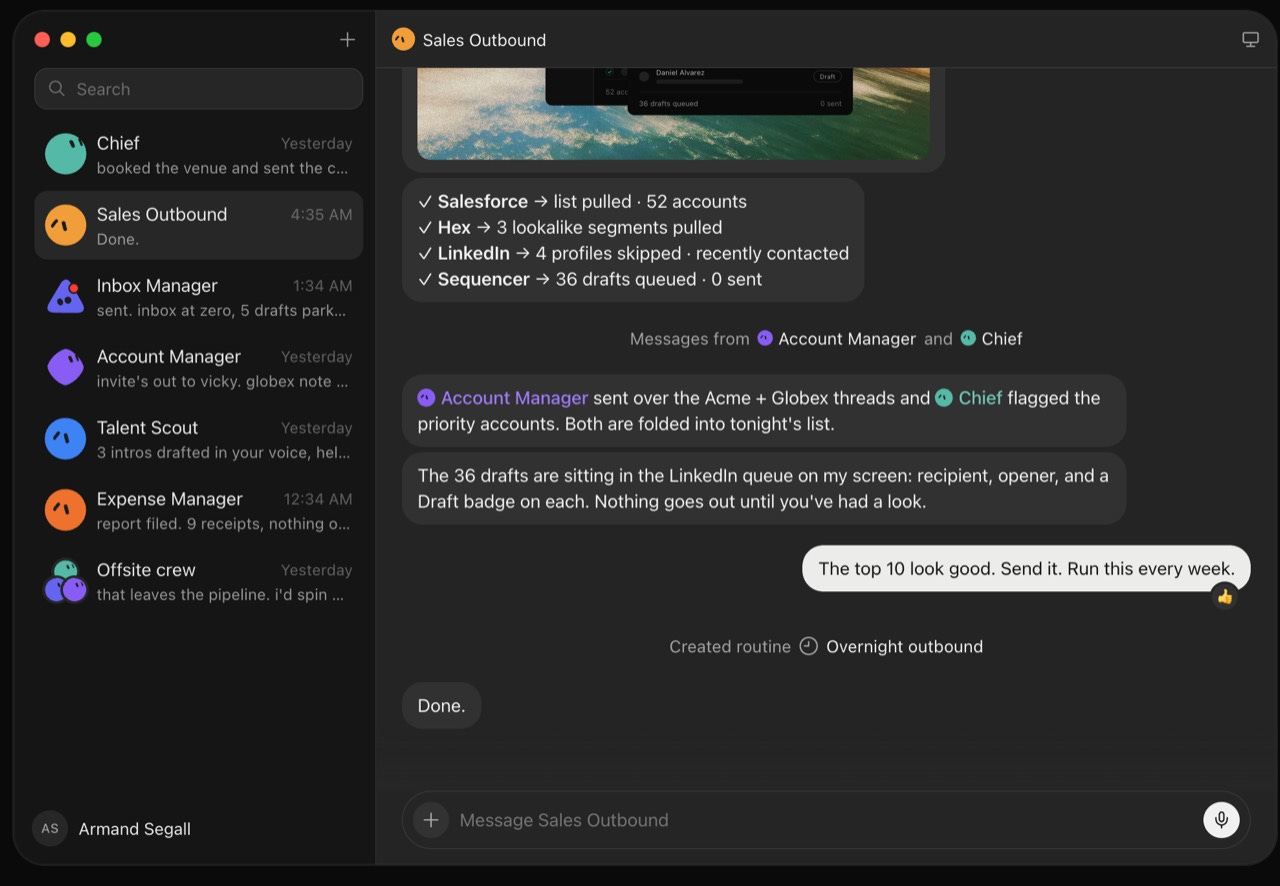
The Sales Outbound Bot has pulled 52 accounts from Salesforce. It created three lookalike segments in Hex, checked LinkedIn, and queued 36 drafts in sequencer. Account Manager sent over a couple of customer threads. Chief flagged the priority accounts.
The human’s contribution to all of this is one message: “The top 10 look good. Send it. Run this every week.”
“Done,” the Bot replies.
That is a lot of work happening inside something that looks like a chat with a coworker.
In Grok Bot, orchestration looks like bringing the right teammate into the conversation. The technicalities are still there, but it’s a lot more invisible to the user.
A computer of its own
At the top-right corner of the conversation is a small computer icon. Click it and you can watch the Bots work.
Each bot gets a persistent computer in the cloud. The Bots can use Google Chrome, a terminal, files, and signed-in sessions for tools like Salesforce. They have a place to do their work.
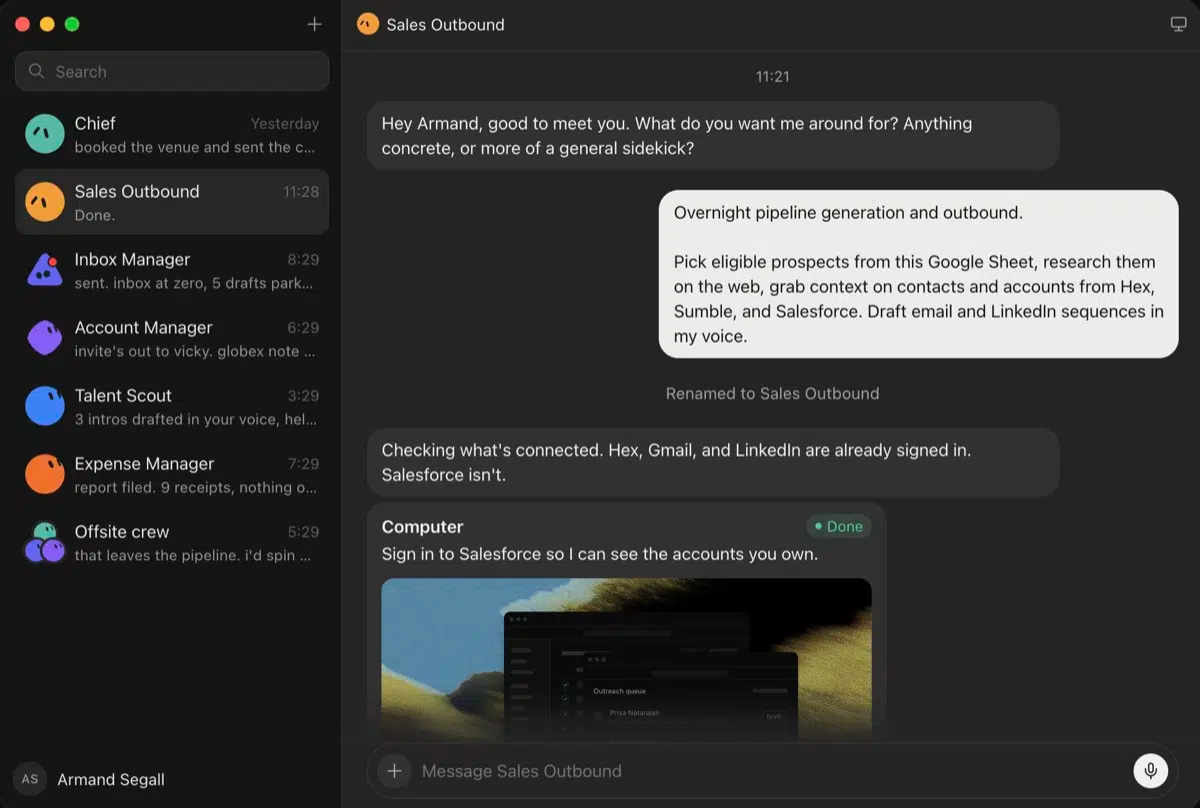
That last part is a big deal. AI can draft an email or summarize a sales call, but someone often has to take the output and put it where it belongs. With a computer, the Bot can attempt the last mile. It can work inside the same applications we use, including the ones that do not offer a clean API or MCP connection.
It is the same idea as giving my setup a Mac mini. Grok Bot puts that computer in the cloud.
Grok Bot can watch while you complete a task, learn the process, and save it as a routine. If you correct it, that correction becomes part of how the work gets done next time.
A surprising amount of knowledge inside a company lives this way. Open this tab. Go to this field. Double-check this data point. Ask this person before pressing send.
Most people learn a job by watching someone who already knows how to do it. Grok Bot lets you teach a Bot the same way.
Why this matters
The first generation of AI products helped one person complete a task faster. ChatGPT could write the email.
The next generation looks more like this: humans + AI. The work moves among several agents. The human provides the purpose, context, and preferences, then comes back in when the human-only judgement is needed.
This is what has me so fired up about Grok Bot. All of the primitives are still there. Users no longer need to know their names. They need to know how to talk to a teammate, show it how they work, and recognize when something is ready.
The researchers inside the packet-radio van needed to understand the network. The person opening Netscape experienced the change the internet enabled. Great products have the ability to do that and Grok Bot has that potential.
Stay ambitious, my friends!

Best of the rest:
🧠 Read Joshua Kushner’s First Formal Thrive Capital Investor Letter — Kushner lays out Thrive’s concentrated, long-term investment philosophy for the AI era, arguing that the biggest opportunity is not simply betting on AI, but identifying where durable value will compound across frontier technology, infrastructure, transformed legacy industries, and scarce human experiences. — Bloomberg
💳 Stripe will reportedly acquire AI gateway startup OpenRouter for $7B+ — Stripe is paying roughly 5x OpenRouter’s valuation from just three months ago to own a critical gateway connecting developers to hundreds of AI models, a major bet that the orchestration layer could become strategic infrastructure in the AI economy. — TechCrunch
🤖 Grok Bot for GTM — Krista Letz shows how she runs enterprise GTM with a team of specialized AI agents that handle everything from meeting prep and prospecting to forecasting, slides, and follow-ups, offering a practical glimpse at what an agent-native sales organization looks like. — Krista Letz
📚 ‘I hate what AI is doing to the minds and happiness of the young’: Katherine Rundell on the view from the classroom — Rundell argues that AI is short-circuiting the struggle through which young people learn to think, write, reason, and build intellectual stamina, making the case that reading and the humanities are not nostalgic luxuries but essential defenses of human judgment and freedom. — The Guardian
🏷️ Anthropic shares more details about how Claude’s new watermarks will work – Anthropic says Claude will use Google DeepMind’s SynthID Text to invisibly watermark AI-generated writing, signaling a future where provenance is built directly into model output even as heavy rewriting can still erase the trail. – TechCrunch

Charts that caught my eye:

→ Why does it matter? OpenRouter is what it sounds like: a way to route your AI tasks to different models. Stripe is acquiring it as volume tops a 4.5 quadrillion-token annual run rate. WOW.
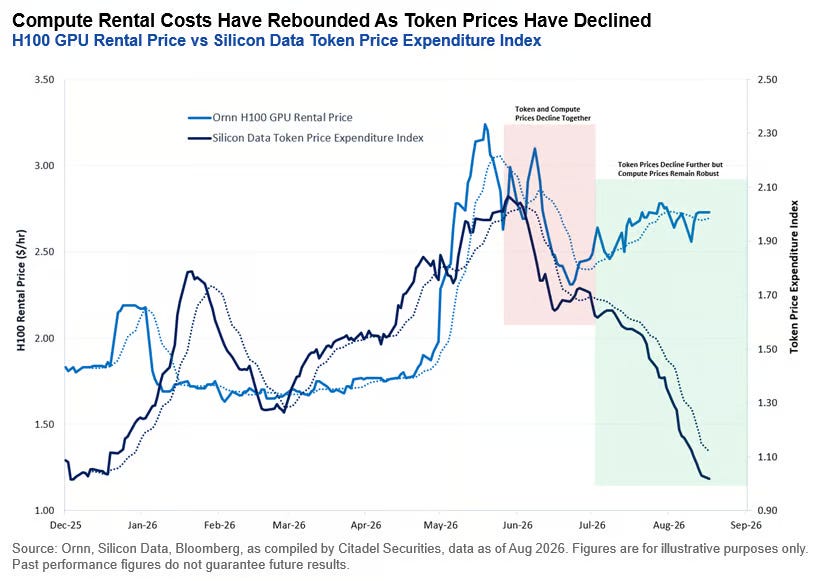
→ Why does it matter? Jevons paradox at work. Token prices are falling, but compute rental costs have rebounded. Cheaper AI is creating even more demand for compute.
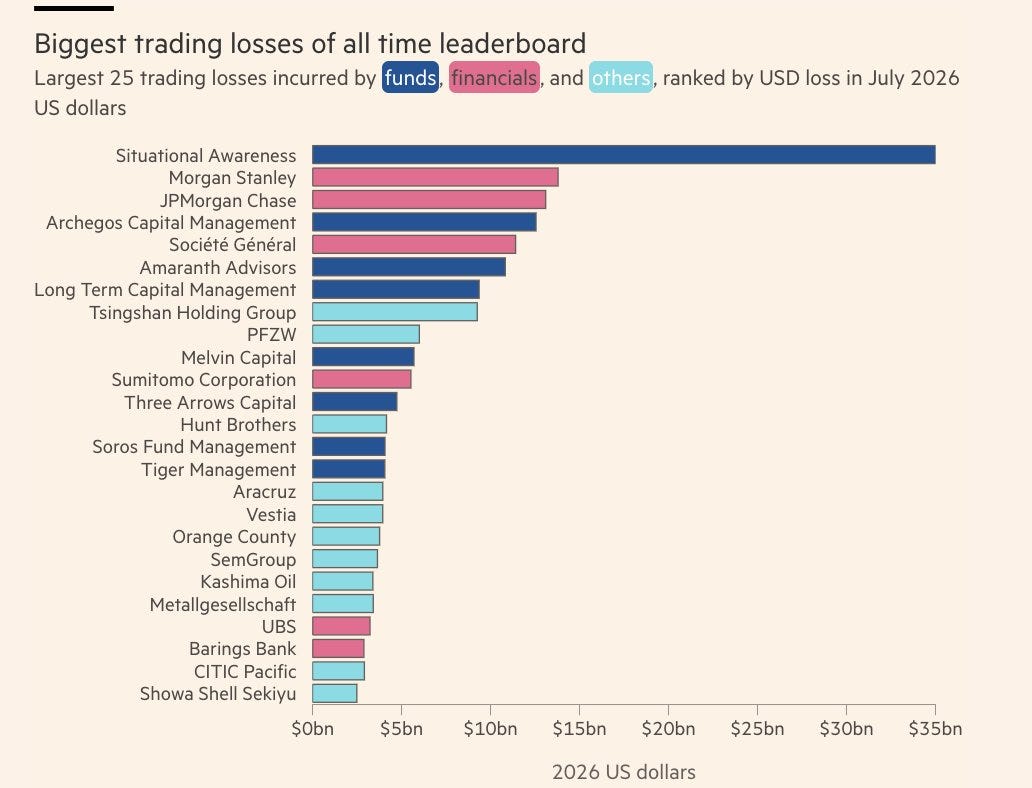
→ Why does it matter? The FT is out with a look at the largest trading losses in history. Turns out, we just set a new record.
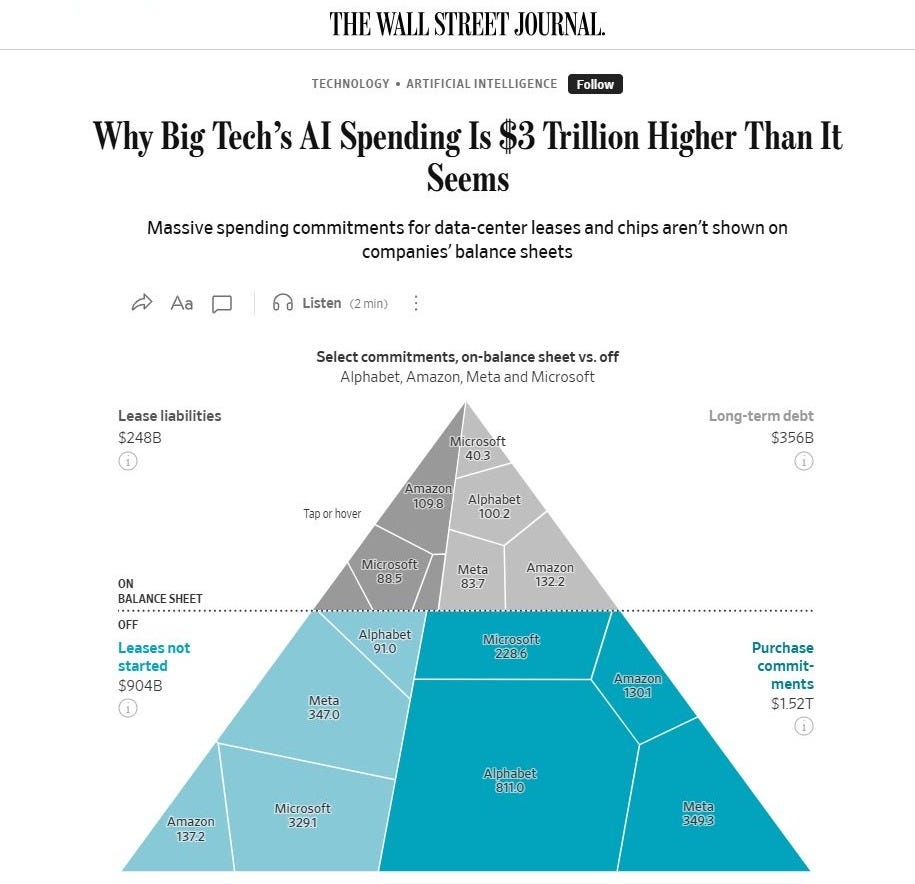
→ Why does it matter? The WSJ is out with fresh reporting on how much AI spending Big Tech is keeping off its balance sheets. The real number may be nearly $3 trillion higher than it looks.
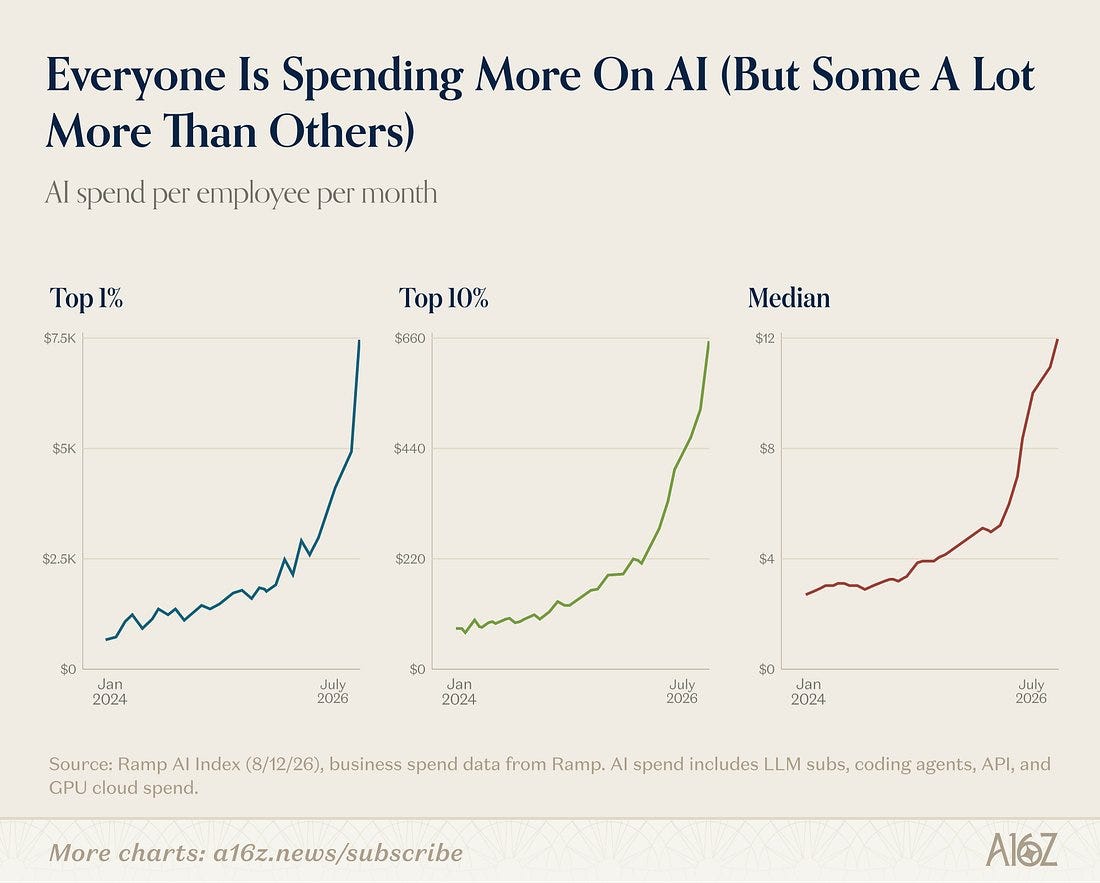
→ Why does it matter? The median company spends $12 per employee each month on AI. The top 1% spends $7,500. That gap is going to show up somewhere.

Tweets that stopped my scroll:

→ Why does it matter? Alex Finn is an AI hype man, but this is a useful walkthrough of how to set up Grok Bot and what you can actually do with it.

→ Why does it matter? Etched raised $700 million at a $21 billion valuation and shipped its first rack to Jane Street. A serious bet on purpose-built AI chips. Highly recommend Patrick’s interview with their founders.

→ Why does it matter? Nasdaq is moving toward 23-hour trading. Markets are becoming truly global and nearly always on.

→ Why does it matter? Legal AI startup, Harvey, is one to watch. Harvey has successfully taken an open-weight model and trained it specifically for legal work. We’ve been talking about this idea all year. Maybe you don’t need the frontier models from Anthropic and OpenAI if you can develop a hyper-tuned model for your specific domain, maybe someday your enterprise.

→ Why does it matter? Woah. If you’re willing to turn it on, ChatGPT now has access to your iMessage!
Worth a watch or listen at 1x:
→ Why does it matter? Travis Kalanick, Founder of Uber with some incredible stories in conversation with David Senra. Kalanick offers some timeless advised for entrepreneurs and his side of the story on the spicier headlines you’ve read over the years. Worth a watch!
→ Why does it matter? Ben Thompson, Founder of Stratechery is on top of his game. There is a lot of AI slop out there, and Thompson cares deeply about his craft. I enjoy his newsletter every week. Great conversation with Patrick on ILTB!

Quotes & eyewash:
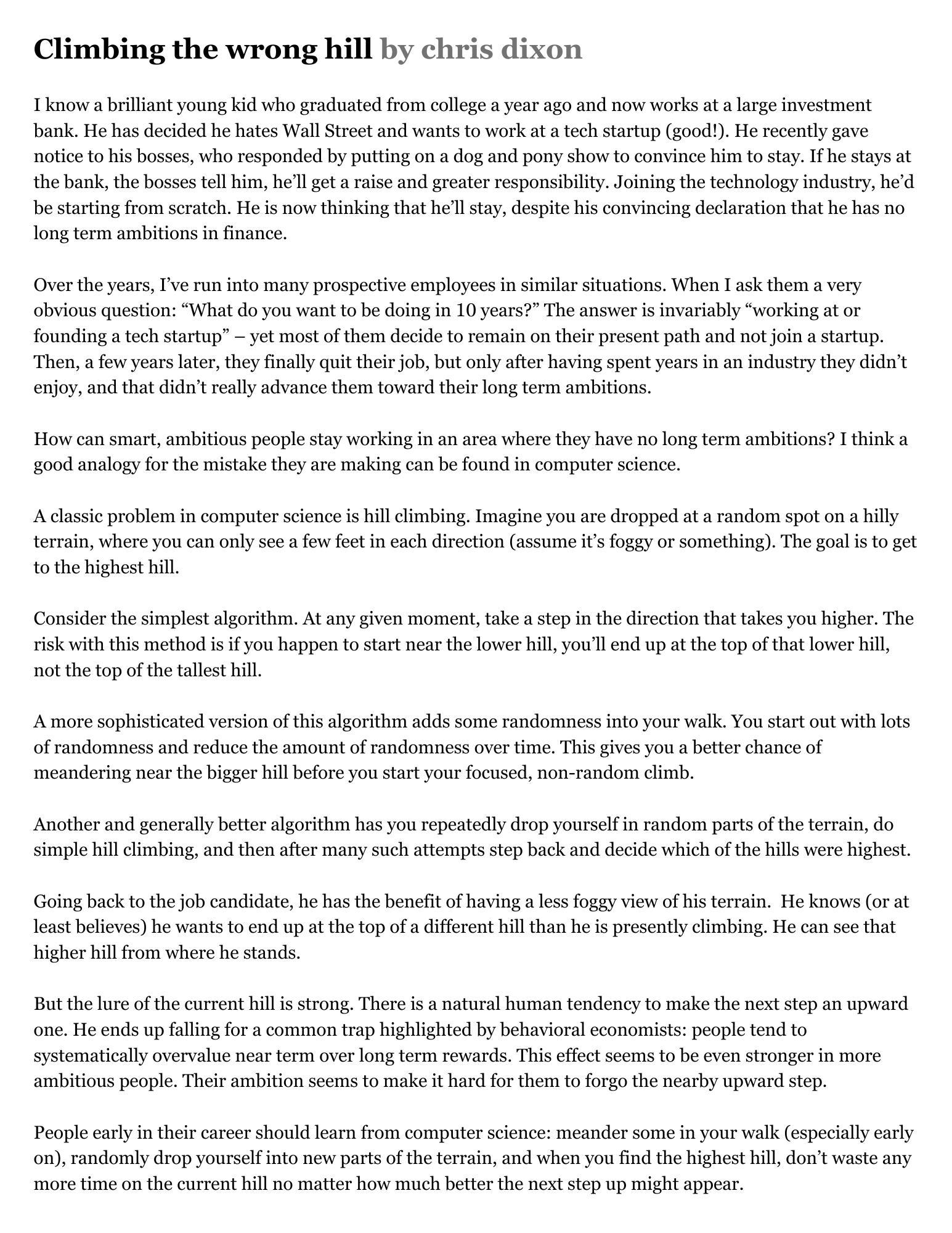
→ Why does it matter? I’ve sent this to many people over the years. One of my favorites from Chris Dixon.
The mission:
The Wall Street Journal once used “Read Ambitiously” as a slogan, but I took it as a personal challenge. Our mission is to give you a point of view in a noisy, changing world. To unpack big ideas that sharpen your edge and show why they matter. To fit ambition-sized insight into your busy life and channel the zeitgeist into the stories and signals that fuel your next move. Above all, we aim to give you power, the kind that comes from having the words, insight, and legitimacy to lead with confidence. Together, we read to grow, keep learning, and refine our lens to spot the best opportunities. As Jamie Dimon says, “Great leaders are readers.”
Disclaimer: This content is for informational purposes only and does not constitute financial, investment, or legal advice. Readers should do their own research and consult with a qualified professional before making any decisions.